
Last updated November 15, 2026
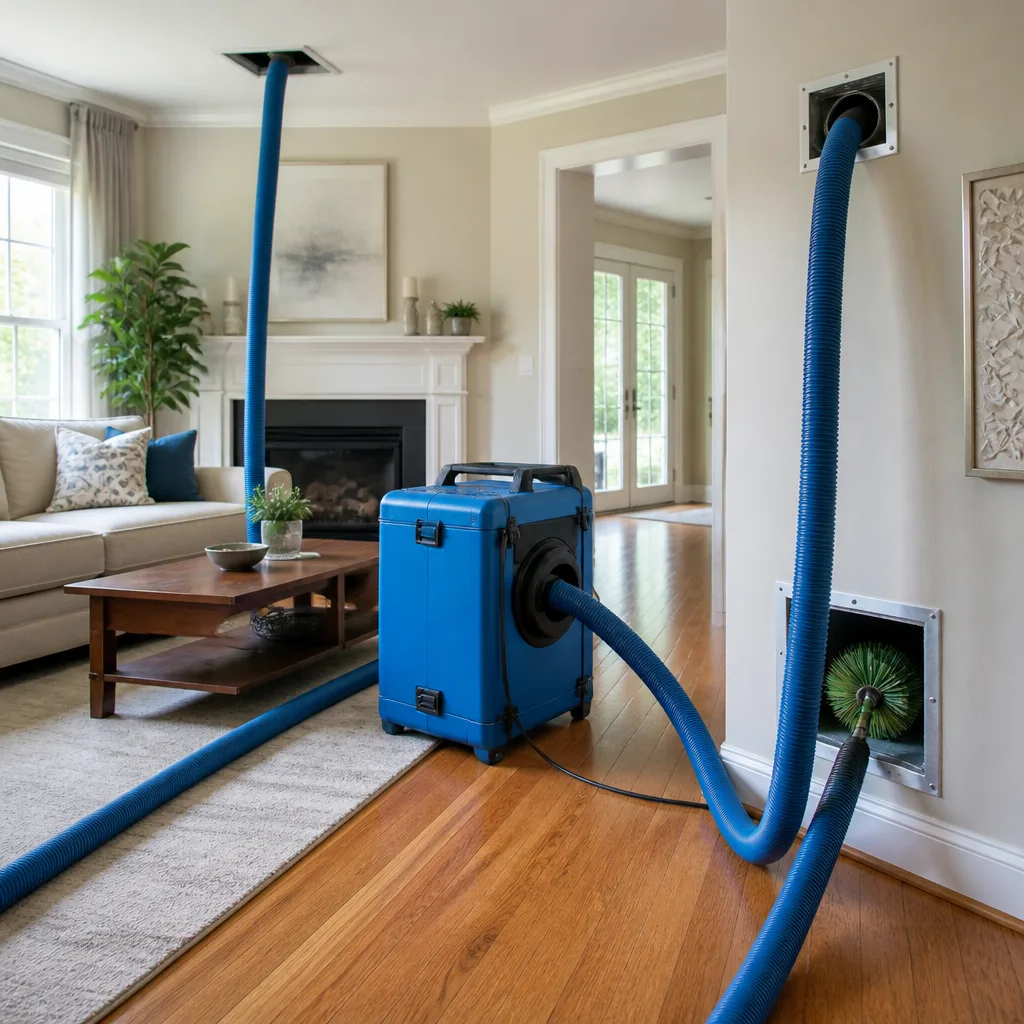 Whole-home duct cleaning
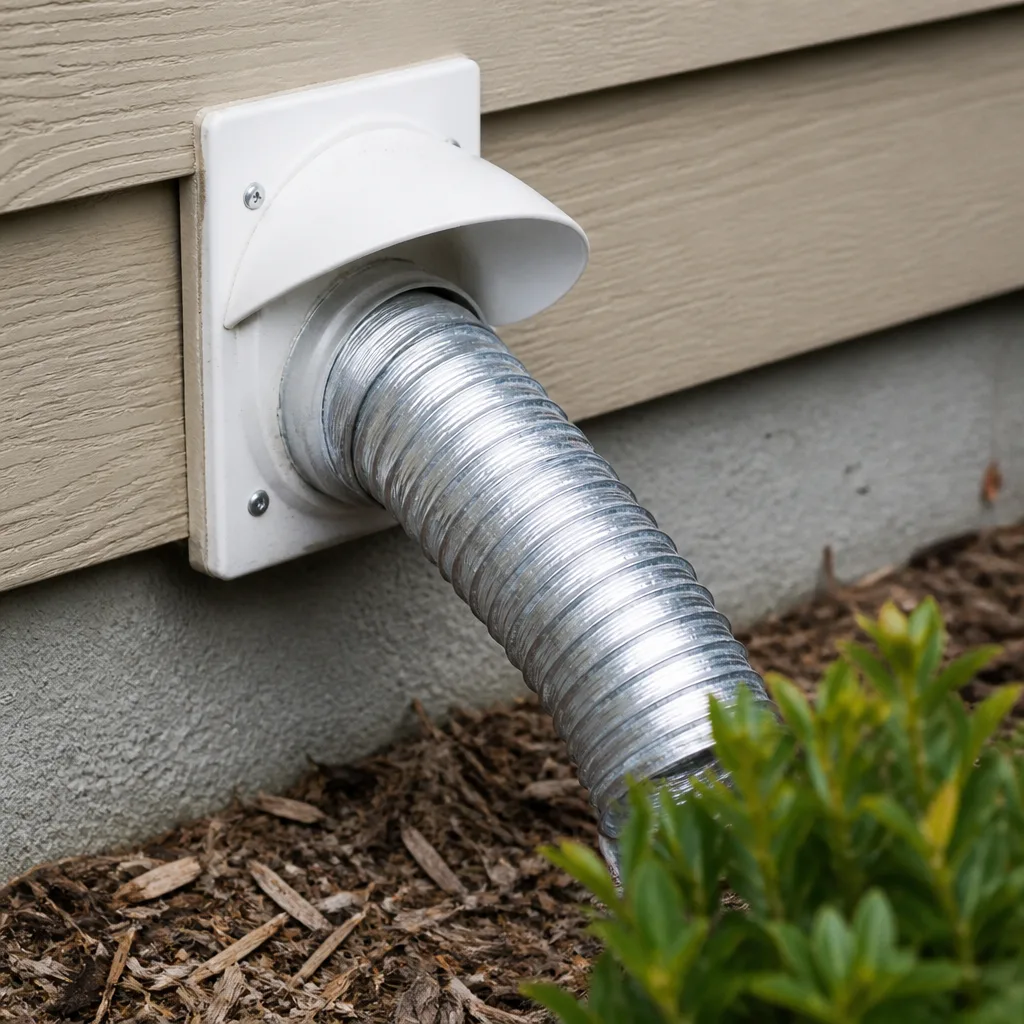 Dryer vent cleaning
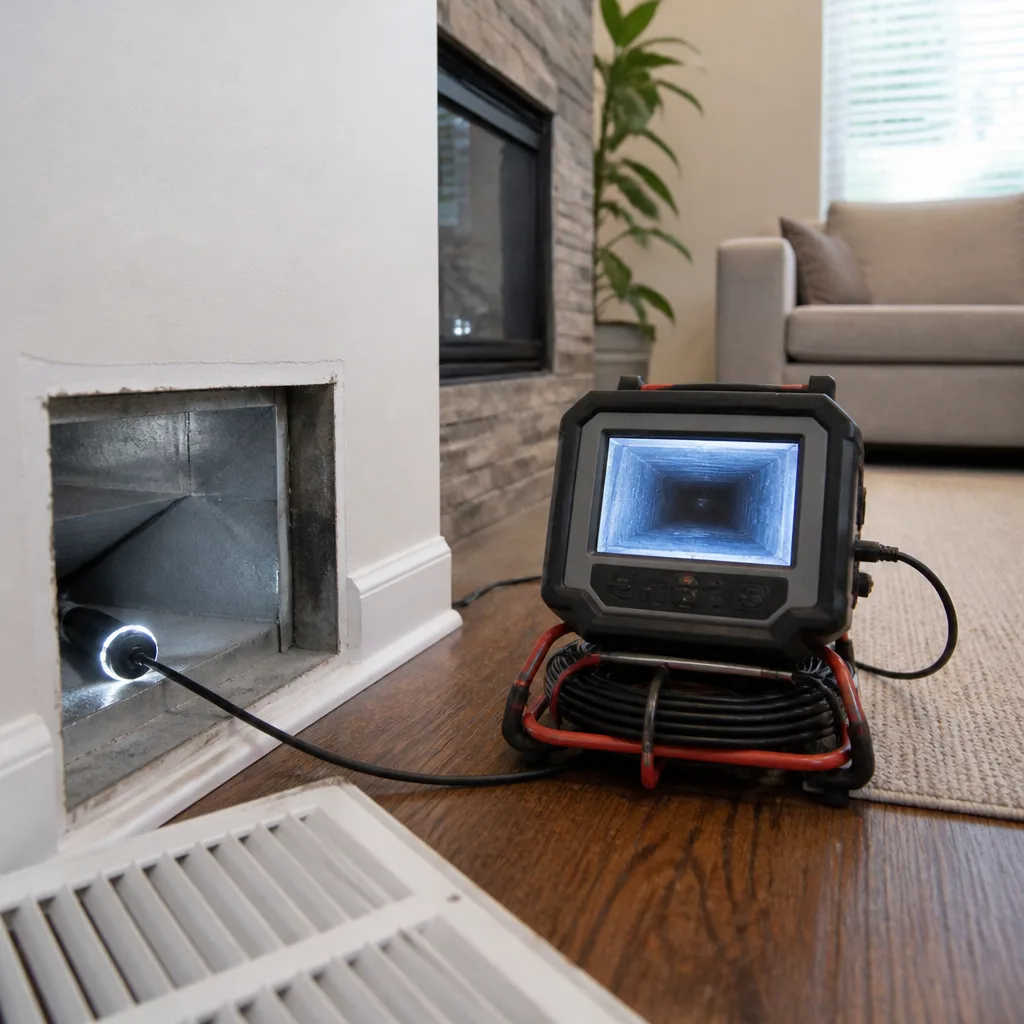 Camera inspection
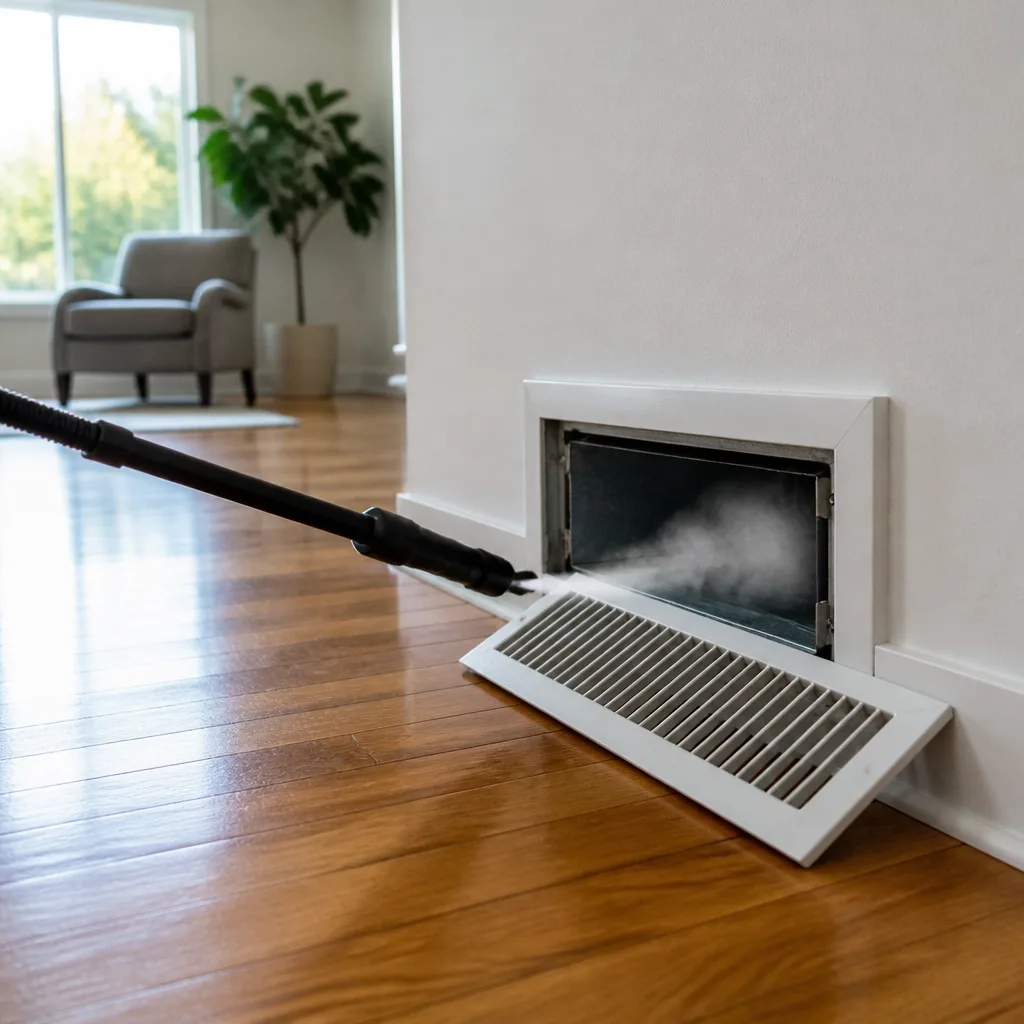 Sanitizing & deodorizing
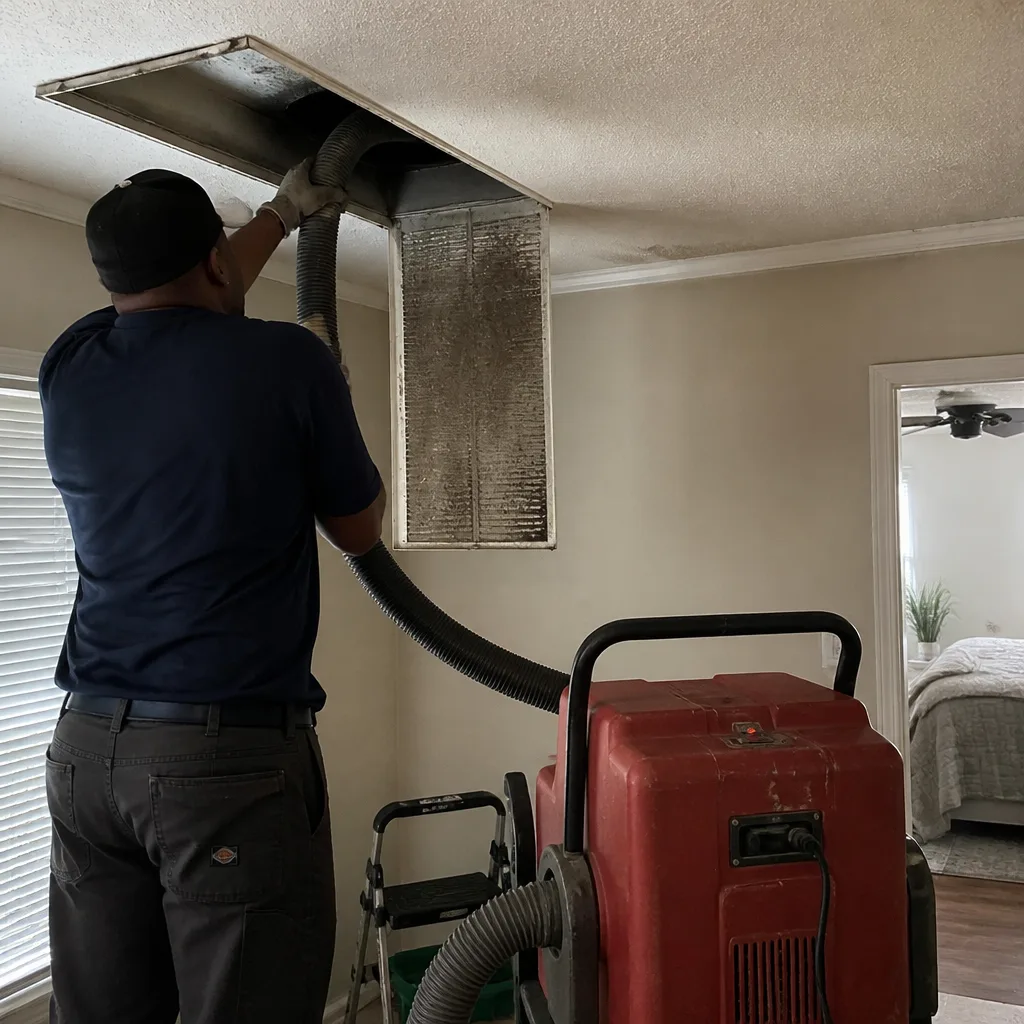
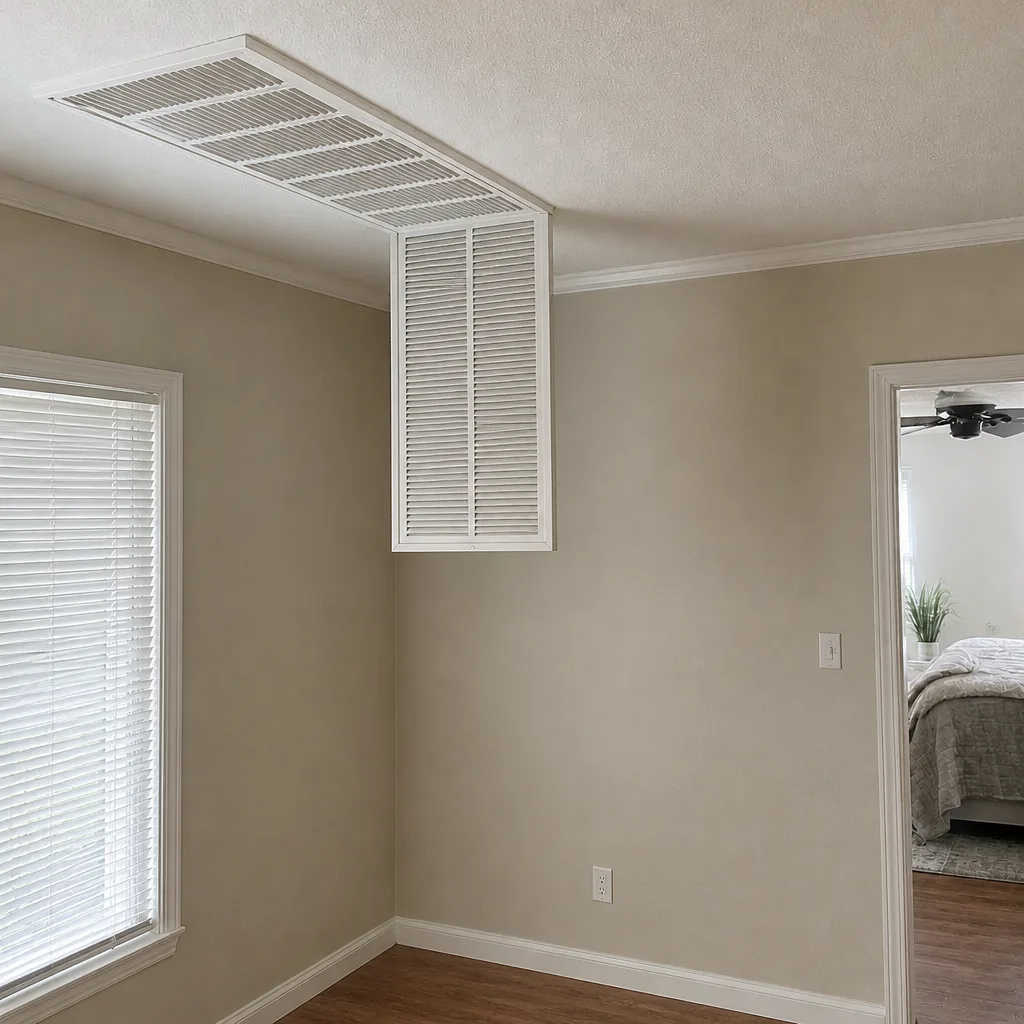
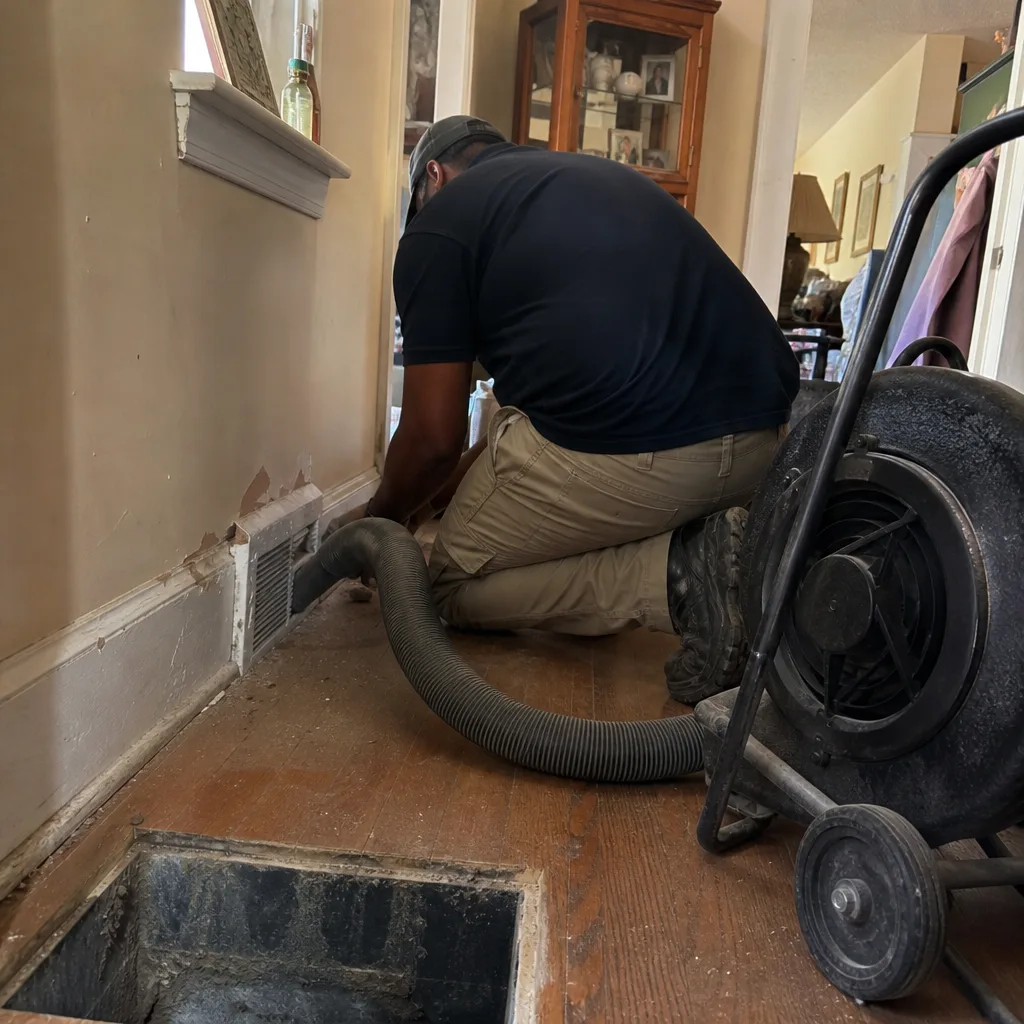
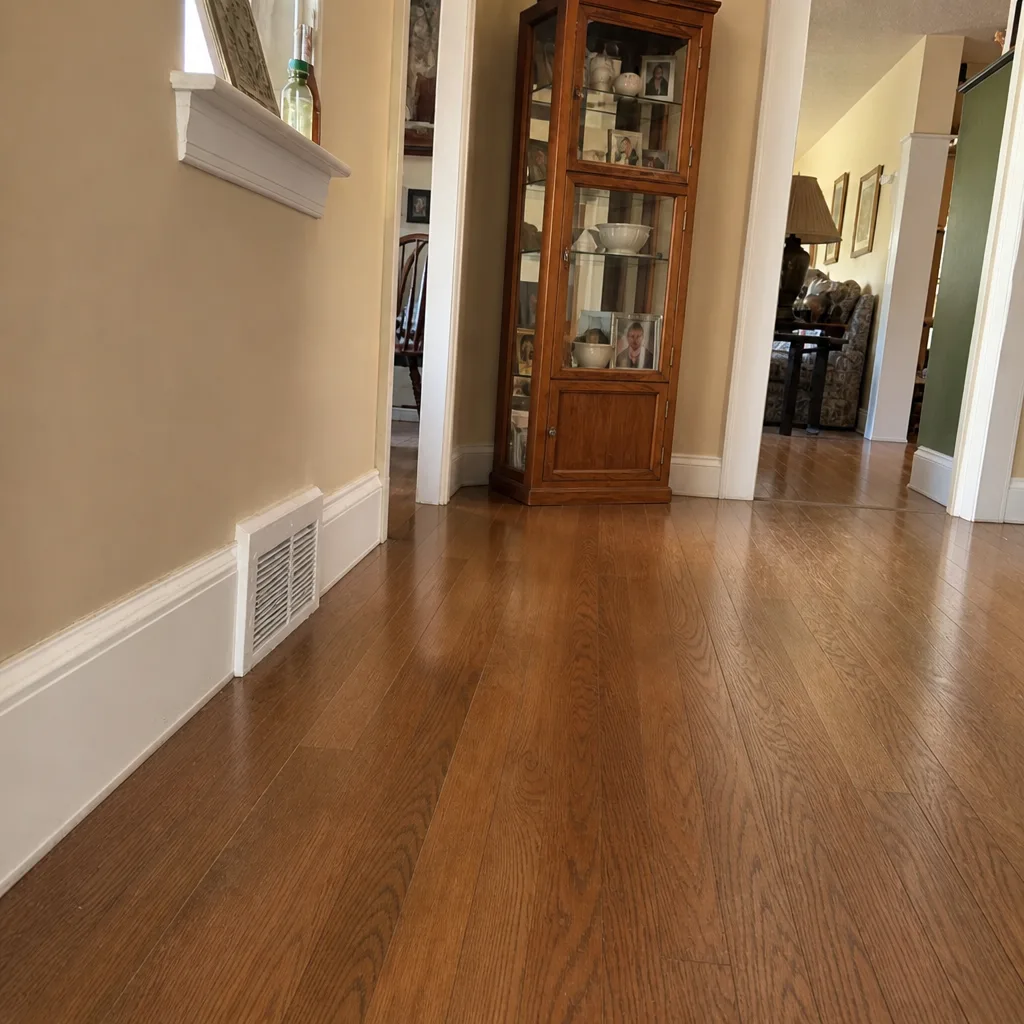
Whole-system duct and dryer vent check with before-and-after photos - you see exactly what came out of your vents
That "$99 whole-house special" is a bait ad - the real number appears once they are in your hallway, or the "clean" is a shop-vac at the register. We photograph the inside of your ducts before and after instead.
Air Duct Cleaning Permits, Codes & Inspections in South Fulton, GA: What You Need to Know
Here’s the part that surprises most homeowners: air duct cleaning itself doesn’t require a permit in Georgia. Neither does routine maintenance like sealing a joint or swapping a filter. But the moment a technician cuts out a collapsed flex duct and installs a new run, or reroutes a trunk line to serve an added room, that’s mechanical work governed by the Georgia State Minimum Standard Codes – and in Fulton County, it needs a permit and a licensed contractor to pull it. The line between cleaning and construction is thin, and a lot of South Fulton homeowners don’t find out where it sits until an inspector flags unpermitted work during a resale. This guide maps that boundary clearly: what’s maintenance, what’s alteration, when Fulton County expects a mechanical permit, how the paperwork actually works, and what to ask a contractor before they touch your ductwork.
Quick Answer
Air duct cleaning in South Fulton, GA does not require a permit because it’s classified as maintenance, not construction. Duct repair or replacement that alters the mechanical system – new duct runs, resized trunks, relocated registers, or reconnected equipment – typically does require a mechanical permit through Fulton County, and that work should be performed by a contractor licensed for HVAC mechanical work rather than a cleaning-only outfit. Unpermitted duct alterations can surface on a resale inspection and delay or complicate a closing.
Styles & brands we work with
- Whole-home duct cleaning
- Dryer vent cleaning
- Camera inspection
- Sanitizing & deodorizing
Table of Contents
- Cleaning vs. Mechanical Work: Where Georgia Draws the Line
- When Does Duct Repair in South Fulton Trigger a Permit?
- How Fulton County’s Permitting Process Actually Works
- What an Inspection of Duct Work Involves
- How Unpermitted Duct Work Surfaces at Resale
- What to Ask About License Class Before You Hire
- South Fulton Housing, Climate, and Why Ducts Fail Here
- Documentation: What a Clean Job Should Leave Behind
Cleaning vs. Mechanical Work: Where Georgia Draws the Line
Georgia’s residential code framework separates two very different categories of work on your duct system: maintenance and mechanical alteration. Cleaning falls squarely into maintenance. Altering the system’s configuration, capacity, or routing falls into mechanical work, and mechanical work is what the code regulates.
The Georgia State Minimum Standard Codes adopt the International Residential Code and International Mechanical Code as their base, with Georgia amendments layered on top. Under that framework, the mechanical code governs “the installation, alterations, repairs and replacement” of mechanical systems. Routine cleaning and servicing aren’t listed as regulated activities. Alterations and replacements are.
In plain terms:
- Cleaning and servicing – brushing, vacuuming, agitation, sanitizing, sealing a small gap with mastic, replacing a filter – doesn’t require a permit.
- Alteration and replacement – installing new duct runs, changing duct size, relocating a register, replacing a section of rigid trunk line, reconnecting a plenum after equipment replacement – is mechanical work and generally requires a permit in a jurisdiction that issues them.
- Repair sits in the middle. Patching a pinhole leak or taping a joint is maintenance. Rebuilding a crushed section of flex duct that changes the system’s airflow characteristics starts looking like an alteration.
This distinction matters to South Fulton homeowners because a lot of cleaning companies discover damaged ductwork mid-job and offer to “fix it real quick.” If that fix involves replacing duct runs, that’s mechanical work, and the company doing it needs to be licensed for it. We clean it. If it’s damaged, we repair it – and we’re clear about which jobs cross the permit threshold before we start.
When Does Duct Repair in South Fulton Trigger a Permit?
Fulton County issues mechanical permits for duct work in specific situations. If your project falls into any of the categories below, expect to pull a permit through the county before work begins.
- New duct runs to a room that didn’t have service. Adding a supply or return to a finished basement, an enclosed sunroom, or a converted garage changes the system’s load calculation and requires a permit.
- Resizing ductwork. Going from a 6-inch flex run to an 8-inch run, or replacing a trunk line with a different diameter, alters the system’s airflow design and is a mechanical alteration.
- Relocating registers or returns. Moving a supply register from one wall to another, or adding a return to improve system balance, changes the mechanical layout.
- Replacing large sections of ductwork. Cosmetic patching isn’t a permit item. Cutting out and replacing a 20-foot section of crushed trunk line is.
- Reconnecting ductwork after equipment replacement. When the HVAC contractor installs a new air handler or furnace, the duct connections are typically part of the permitted mechanical scope.
- Converting ducted to ductless, or vice versa. Changing the fundamental configuration of the system requires engineering and a permit.
What doesn’t trigger a permit in South Fulton: cleaning the full system, brushing and vacuuming the trunk and branch runs, sanitizing the interior, replacing filters, sealing small gaps with mastic, and small repairs that restore the duct to its original condition without changing its size or location. If you’re unsure whether your project needs one, call Fulton County’s building department and describe the work. That single call is cheaper than a permit violation later.
How Fulton County’s Permitting Process Actually Works
Fulton County operates an online permitting portal where licensed contractors submit applications, upload plans, pay fees, and schedule inspections. Homeowners can submit some residential permits themselves as owner-builders, but mechanical work on an HVAC system is a trade-specific permit, and the county expects a licensed contractor to pull it.
A typical sequence for a residential duct alteration in South Fulton:
- The contractor creates an account on Fulton County’s online permitting system and selects the appropriate mechanical permit type.
- Plans or scope drawings are uploaded. For simple duct work, a scope narrative with a sketch showing the alteration may be sufficient. Larger projects require stamped drawings.
- Permit fees are paid online. Fees scale with the scope of work.
- Review happens. Straightforward mechanical permits are often reviewed quickly; projects that touch structural elements or involve significant changes take longer.
- Permit issued. Work can legally begin only after the permit is issued.
- Inspection is requested when the work reaches a point where the county needs to see it. Duct work is typically inspected before the system is sealed, insulated, and put back into service.
- Final approval and permit close. Once the inspector signs off, the permit closes, and the record lives on the property’s file.
Turnaround depends on scope, review queue, and how complete the submission is. Straightforward mechanical permits often move through in days; alterations that require plan review for structural involvement can take weeks. Ask any contractor you hire for their typical timeline for a South Fulton permit, and expect a realistic answer, not a promise.
If you’re also scheduling cleaning alongside a repair, we can coordinate air duct cleaning around the permit timeline so the cleaning happens while the system is open, not after the drywall goes back up.
What an Inspection of Duct Work Involves
An inspection of permitted duct work isn’t a spot check on cosmetics. It’s the county’s review of whether the installation meets code. Understanding what the inspector looks at helps you ask better questions of whoever does the work.
Typical items under scrutiny:
- Material compliance. Duct materials, sealants, and insulation must meet the code-referenced standards for the application – flex duct in plenum spaces, rigid duct in unconditioned attics, and fire-rated materials where penetrations cross rated assemblies.
- Support and routing. Flex duct needs to be supported at spacing defined by the manufacturer and code, without excessive sags or kinks that choke airflow.
- Sealing. Joints, seams, and boot connections have to be sealed with approved mastic or tape, not just pressed together.
- Clearances. Ductwork routed near flue pipes, heat sources, or combustion equipment has to maintain specified clearances.
- Connection to equipment. The plenum connections to the air handler have to be mechanically secure and sealed, with no illegal short-circuiting between supply and return.
- Insulation. Duct in unconditioned space (like a South Fulton attic) has to be insulated to the level the energy code requires. Georgia’s energy provisions set the standard.
Many inspections happen before the system is buttoned up, which is useful: if a run is kinked or a joint is unsealed, the inspector catches it while it can still be corrected. If a contractor tries to skip the inspection on permitted work, that’s a red flag worth acting on before you pay the invoice.
How Unpermitted Duct Work Surfaces at Resale
Unpermitted duct work has a way of announcing itself years later, right when you’re trying to close on the sale of your South Fulton home. Home inspectors routinely look at duct routes, look for permit history through the county, and flag discrepancies. A new-looking duct run with no permit on file tells a buyer something’s off.
What happens next depends on the buyer’s lender and the closing timeline:
- The buyer’s inspector flags it in the report, often requesting documentation of the installation.
- No permit record exists, so the seller has to either remediate, disclose as unpermitted, or obtain a retroactive permit. Retroactive permitting is possible in many cases but requires opening up the work for inspection, paying higher fees, and potentially correcting code violations found in the process.
- The lender may require evidence that the work was done legally before approving the loan, especially on FHA and VA transactions.
- Timeline pressure compounds. Closing dates are usually fixed by contract, and retrofit permitting can take weeks. Deals have died on findings smaller than this.
We’ve seen the pattern enough times to know the fix is upstream. Any duct alteration that changes size, location, or routing should carry a permit from day one. Duct cleaning – the maintenance work – doesn’t need one. Keeping those two categories separate on paper is what protects your future sale.
What to Ask About License Class Before You Hire
This is the question most homeowners skip, and it’s the one that matters most. Not every company that cleans ducts is licensed to repair them. In Georgia, mechanical work falls under the state’s licensing framework for conditioned air contractors, and duct alterations that require a permit are typically restricted to properly licensed contractors.
A cleaning company operating with a general business license can legally vacuum and brush your ducts. That same company may not be able to pull a mechanical permit, and if they perform a duct replacement without one, the homeowner inherits the problem.
Ask these four questions before hiring anyone for duct repair in South Fulton:
- “What’s your state license classification?” If they’re performing duct alterations, they should be able to tell you their classification and produce the number on request.
- “Will you pull a permit if the work calls for it?” A contractor who refuses to permit work that clearly requires a permit is telling you something. Believe them.
- “Who will be on site, and what’s their qualification?” Duct repair isn’t just cleaning with extra steps. It requires understanding airflow, static pressure, and system design.
- “What documentation will I receive when the job is done?” Before-and-after photos, permit records, and a written scope protect you at resale.
This is why we run duct cleaning and duct repair under one company with the right equipment and the right licensing: you don’t have to make a second call when cleaning reveals that a run has collapsed. One call covers cleaning, venting, and repair. If a job crosses into permitted work, we tell you upfront, not after the invoice.
South Fulton Housing, Climate, and Why Ducts Fail Here
South Fulton is a mix of newer master-planned subdivisions, established neighborhoods, and long-time rural parcels that have been slow to develop. That spread matters for duct condition. Neighborhoods like Sandtown and Campbellton have homes that date back decades, where original ductwork has been through multiple HVAC replacements and a household renovation or two. Cascade Palmetto and newer developments near Wolf Creek tend to have tighter, more modern duct systems – but that tightness can be a liability when a single crushed run quietly chokes airflow to a bedroom.
Georgia’s climate is unforgiving on duct systems. Long, humid summers push condensation into poorly insulated attic ductwork, and condensation is where mold and corrosion start. Air conditioning runs hard for six months, and every season of high demand puts pressure on joints, seams, and flex connections. Winters are mild enough that heat runs don’t see the same workload, but the shoulder seasons of spring and fall are when ducts in unconditioned attics see the highest temperature swings – expanding and contracting with the daily cycle.
That’s the part that tends to be missed on the internet: duct failures in South Fulton aren’t primarily a “dust accumulation” story, they’re a moisture and thermal-cycling story. If we’re called out for cleaning in an older South Fulton home and find a collapsed flex run or a separated trunk connection, that’s a repair item, not a cleaning item, and the licensing and permit questions that come with it matter.
For homeowners in nearby areas, the broader patterns carry over. If you’re in the Riverdale area, the same humidity, attic heat, and older-housing stock produce the same duct concerns, and the permit boundary is the same at the state level.
Documentation: What a Clean Job Should Leave Behind
The gap between a competent duct job and a casual one often comes down to documentation. Professional-grade equipment, industry-recognized tooling, and a written record of the work are what separate a job that will hold up over time from one that just looks OK on the day of the invoice.
What a well-run duct job should leave behind:
- Before-and-after photos of your own ducts. Not stock images, not someone else’s accounts. Yours. A camera inside the trunk line before cleaning, and the same angle after, tells you exactly what was done.
- Equipment specifics. Rotobrush brush systems, Nikro vacuum equipment, and Abatement Technologies filtration show up on the job because they’re what professional containment and extraction require. When you see a shop vac on site, you’re not getting containment; you’re getting agitation with debris going into the air.
- Written scope. What was cleaned, what was repaired, what was recommended but declined, and what condition the system was left in.
- Permit records where alteration work was performed. A copy of the permit and the inspection sign-off should be in your home file.
- Notes on any IAQ equipment – if your home has whole-house filtration from Honeywell or Aprilaire, the technician should document the condition of those components and any interaction with the duct cleaning.
If any of these are missing, that’s a signal. In our experience, the companies that skip documentation are the ones most likely to be cutting other corners, including the permitting kind.
Common Mistakes to Avoid
- Assuming “cleaning” and “repair” carry the same permit rules. They don’t. Cleaning is maintenance. Alteration is mechanical work. Know which side of the line your job sits on before you sign a proposal.
- Letting a cleaning company offer to “fix” ductwork on the spot without asking about their license class. If a company cleans your ducts and then offers to replace a run, ask the license question. In Georgia, permit-regulated work belongs with the right credentials.
- Skipping the permit because the work “isn’t that big.” A permit for a small duct alteration is cheap relative to the cost of retrofitting it two years later at resale. Size isn’t the trigger – whether the work is an alteration is.
- Not documenting the condition of the ducts before and after. Without your own photographs, you can’t prove what was done or wasn’t done. This matters both for your home’s records and for any permit conversation.
- Assuming the county’s $ threshold for permits matches the code’s threshold. They’re separate. Fulton County’s permit requirements exist whether or not a dollar threshold applies to your jurisdiction’s small-job exemptions, and mechanical alterations are almost never exempt on those grounds.
- Ignoring the system-level signature of unpermitted work. If a duct system was modified without a permit, there’s a good chance the airflow balance was never verified. Uneven temperatures from room to room are sometimes the first visible clue.
- Paying for cleaning that turns into a “repair” pitch with no documentation. If the technician shows you the inside of your ducts on a monitor and recommends repair, ask what the scope is, who’s licensed to do it, whether a permit applies, and what the written scope says before any work begins.
See the difference
 Before
 After
 Before
 After
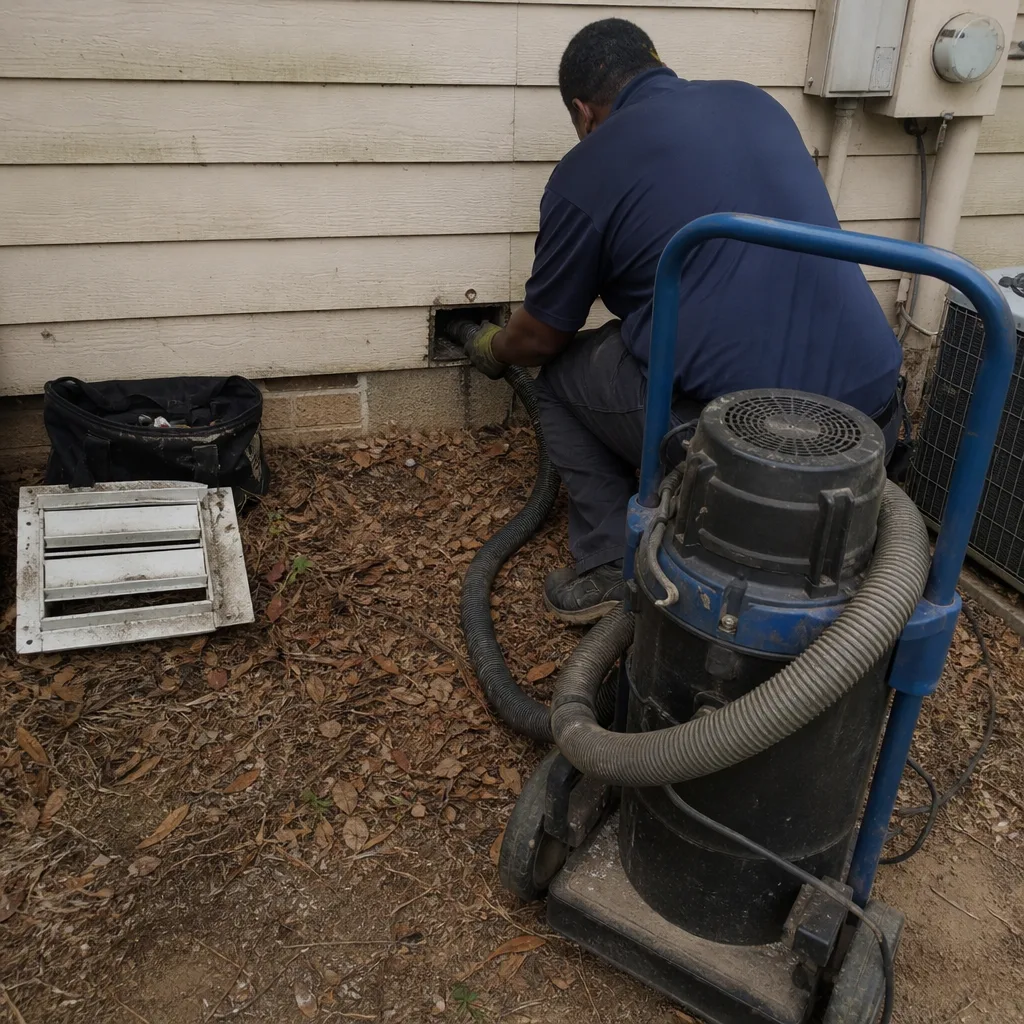 Before
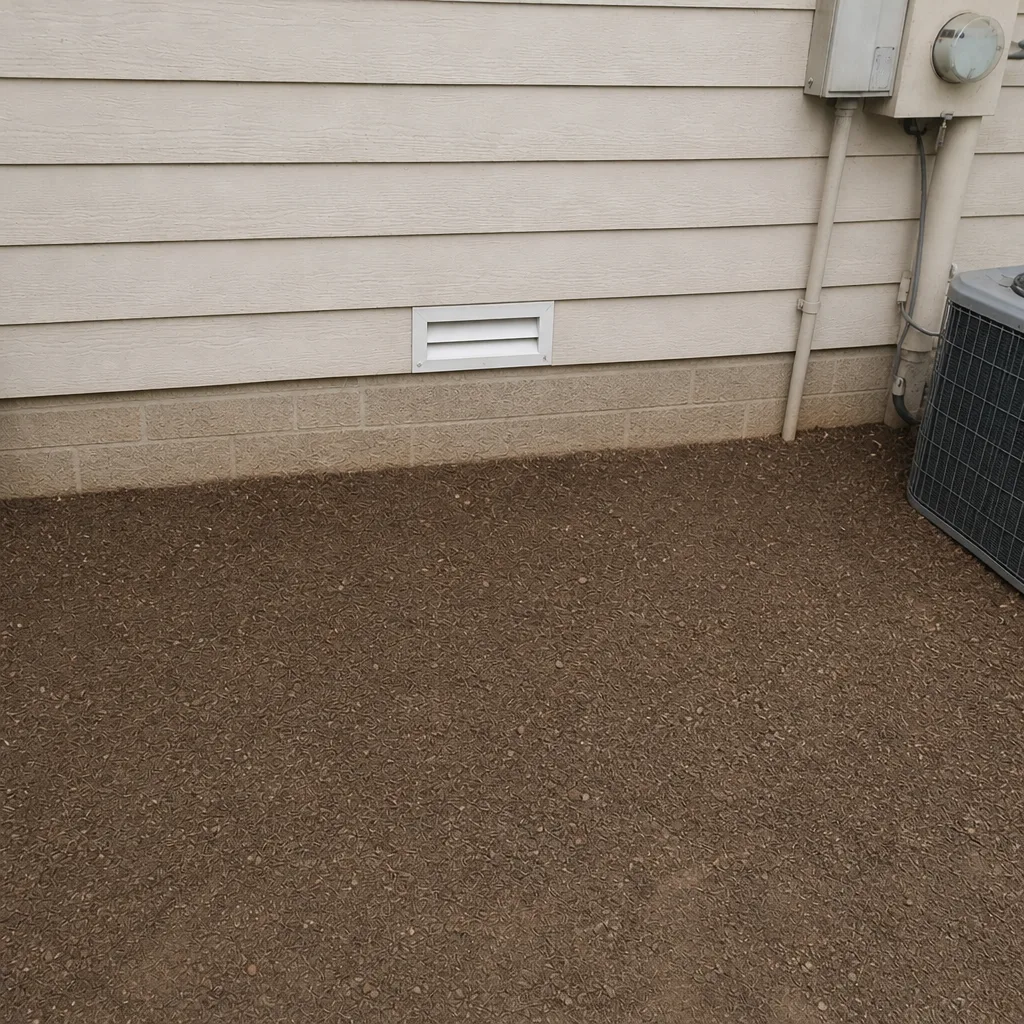 After
When to Call a Professional
Some duct concerns are self-diagnosable and some aren’t. Call a professional if you’re seeing uneven temperatures between rooms that weren’t there before, hearing a whistling or popping at registers when the system cycles, finding visible dust plumes from supplies after a filter change, discovering flex duct sagging or crushed in the attic, or scheduling cleaning after a renovation or a new HVAC installation. Also call if you’re buying a South Fulton home and the seller can’t produce permit records for recent duct work – that’s a documentable concern before you sign.
What you shouldn’t do: reach into the system to “just check” a joint or a run in the attic, especially near the air handler or flue. The ductwork carries current from the air handler’s electrical components, sits near combustion equipment in some configurations, and the space is easy to damage. Trained technicians evaluate duct condition safely; homeowners typically shouldn’t. Same for anything involving electrical panel work or gas connections at the equipment – those need licensed tradespeople.
Tidewater Air Duct Cleaning offers free estimates in South Fulton – call (833) 991-9213. We answer 24/7, with fast dispatch from 7am to 7pm, Sunday through Friday. The estimate is free and the price is set per job by the written estimate.
Frequently Asked Questions
No. Air duct cleaning is classified as maintenance, not mechanical alteration, and doesn’t require a permit in South Fulton or anywhere else in Georgia. What can require a permit is duct repair that alters the system’s configuration – new runs, resized ducts, relocated registers, or replaced trunk lines. If you’re planning cleaning and a repair in the same visit, ask the contractor to draw the line between the two before work begins. Call (833) 991-9213 for a free estimate.
The permit fee itself is typically a small fraction of the total job cost, but the bigger cost of skipping the permit comes later – at resale, when a buyer’s inspector finds an unpermitted alteration and either kills the deal or forces a retrofit. Retroactive permitting requires opening the work up for inspection, which means removing insulation and sometimes drywall, and paying higher fees. Pulling the permit up front is the cheaper path. Call (833) 991-9213 and we’ll walk you through what’s involved for your specific project.
Not always. Cleaning and repair fall under different licensing requirements, and permitted duct alteration work should be performed by a contractor licensed for mechanical work. A cleaning-only operation can legally clean your system but may not be licensed to pull a mechanical permit for replacement work. Before you hire anyone to repair ductwork in South Fulton, ask what their state license classification is. Call (833) 991-9213 if you want a second opinion on a contractor’s credentials and the scope of your job.
Yes, often. Home inspectors check the permit history of the property, and duct work that was altered without a permit typically shows as a discrepancy between the visible system and the county’s records. That finding gets included in the inspection report and can become a negotiating item or a lender’s concern, especially on FHA and VA loans. Duct cleaning itself isn’t a permit item, so cleaning records aren’t part of the permit story – only alterations are. Call (833) 991-9213 for a free estimate on duct repair or cleaning before you list or buy.
Ask four things: what’s your state license classification, will you pull a permit if the work requires one, who will actually perform the repair, and what documentation will I get when you’re done. If the contractor is licensed for mechanical work and produces permits when the job calls for them, those answers will come quickly. If they get defensive or vague, keep looking. Call (833) 991-9213 if you’d like help understanding whether your specific project needs a permit.
Cleaning frequency depends on your home – filters, pets, renovation activity, and how much time has passed since the last cleaning – but repair needs depend on duct condition, not time. In our experience, older South Fulton homes where the HVAC has been replaced once or twice are the most likely to have duct issues hiding in the attic, where humidity and thermal cycling have done their work. A single inspection can tell you which side of the line you’re on. Call (833) 991-9213 for a free estimate.
The Bottom Line
Cleaning is maintenance, and maintenance doesn’t require a permit. Mechanical alteration is regulated work, and in Fulton County it requires a mechanical permit and a licensed contractor. The gap between those two categories is where problems live – unpermitted duct replacements that surface years later at resale, retrofitting costs, and deals that die on a home inspection report. South Fulton’s aging housing stock and unforgiving summer humidity make duct repair common, so knowing the permit boundary before you hire is a practical concern, not a paperwork one. Get an estimate in writing, ask the license question, document the work, and keep your permit records with the house. That’s what protects your investment when it matters. For cleaning, dryer vent service, and duct repair handled under one roof with professional-grade equipment, Tidewater Air Duct Cleaning offers free estimates in South Fulton – call (833) 991-9213. We answer 24/7. Fast dispatch from 7am to 7pm, Sunday through Friday. The estimate is free, and the written estimate sets the final price.
If you’re also considering dryer vent service alongside duct work, dryer vent cleaning is a separate job worth scheduling on the same visit – the fire and efficiency risks of a clogged vent aren’t affected by duct cleaning, and the two services cover different parts of the system. And if you want to see the full scope of how we approach cleaning, repair, and venting as one call, start at Tidewater Air Duct Cleaning.
Written by the team at Tidewater Air Duct Cleaning.