
Last updated November 15, 2026
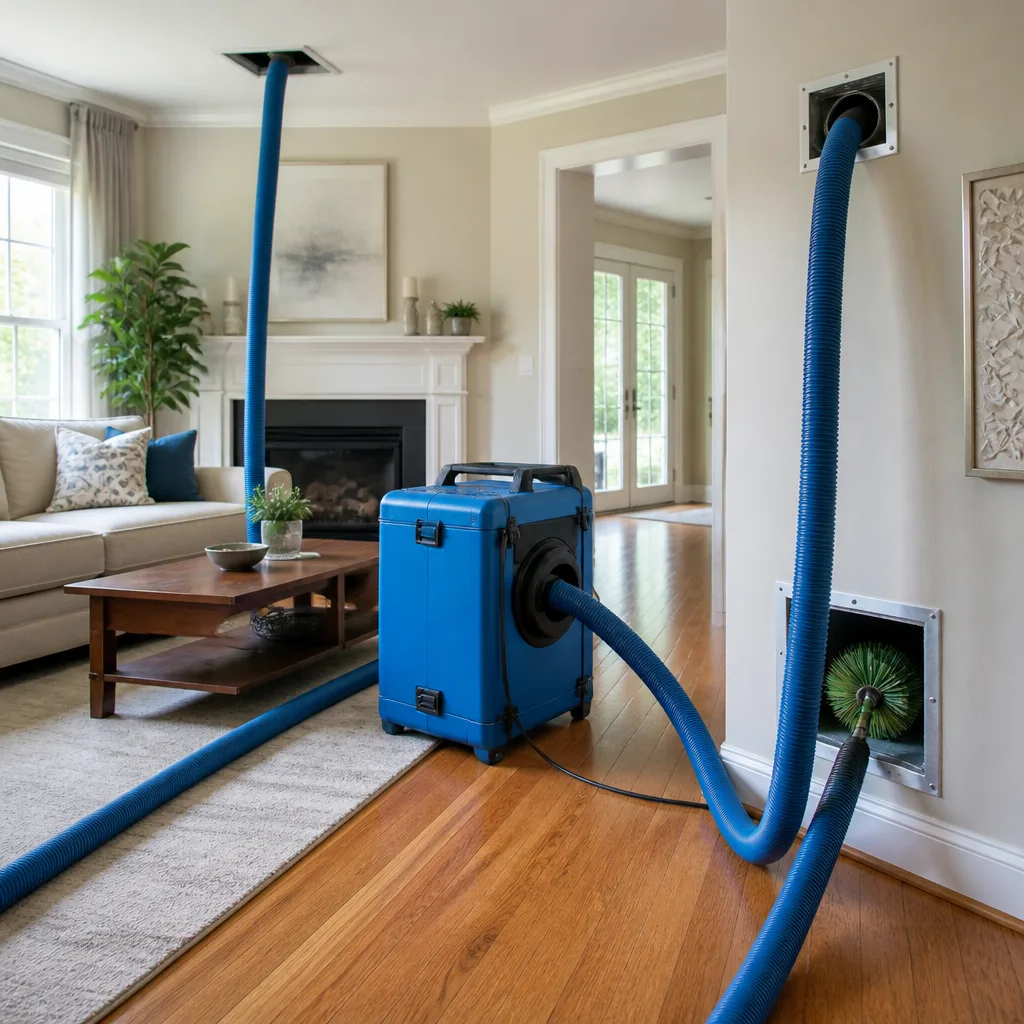 Whole-home duct cleaning
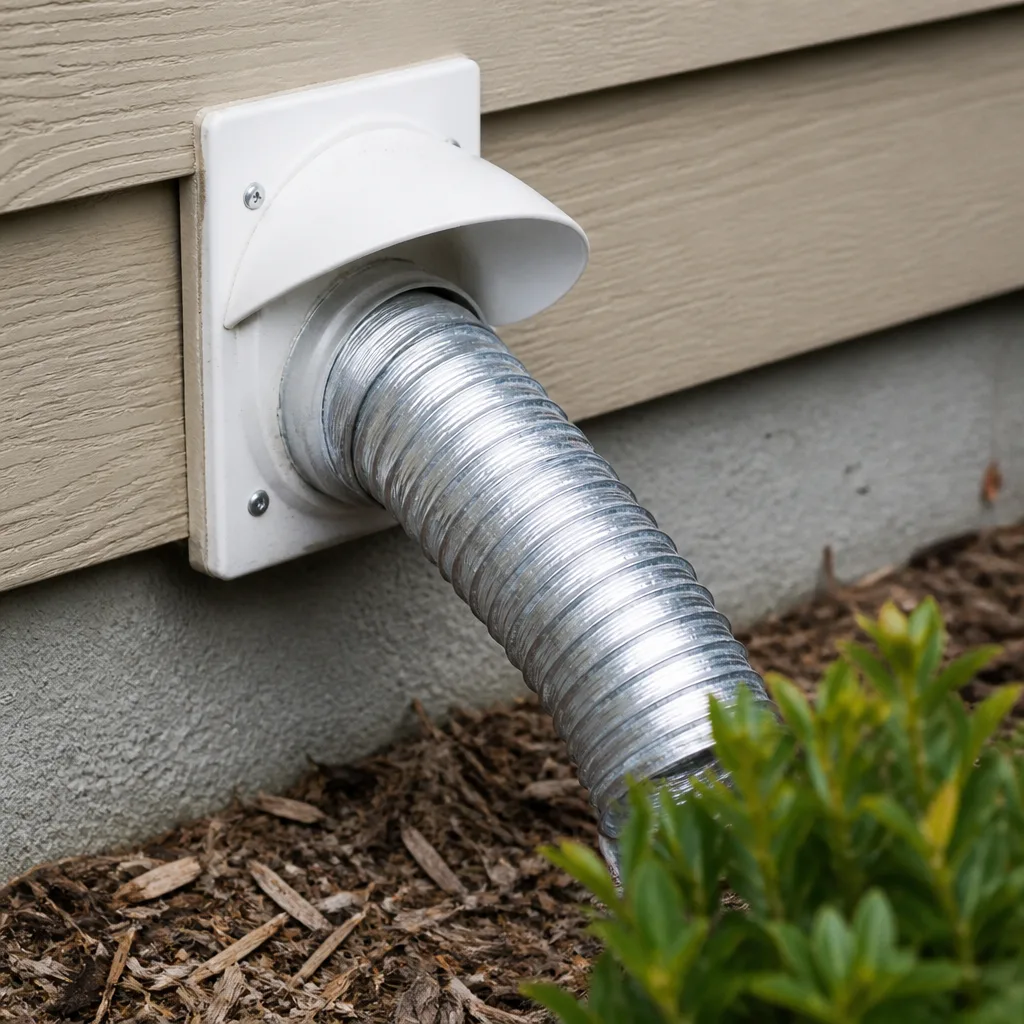 Dryer vent cleaning
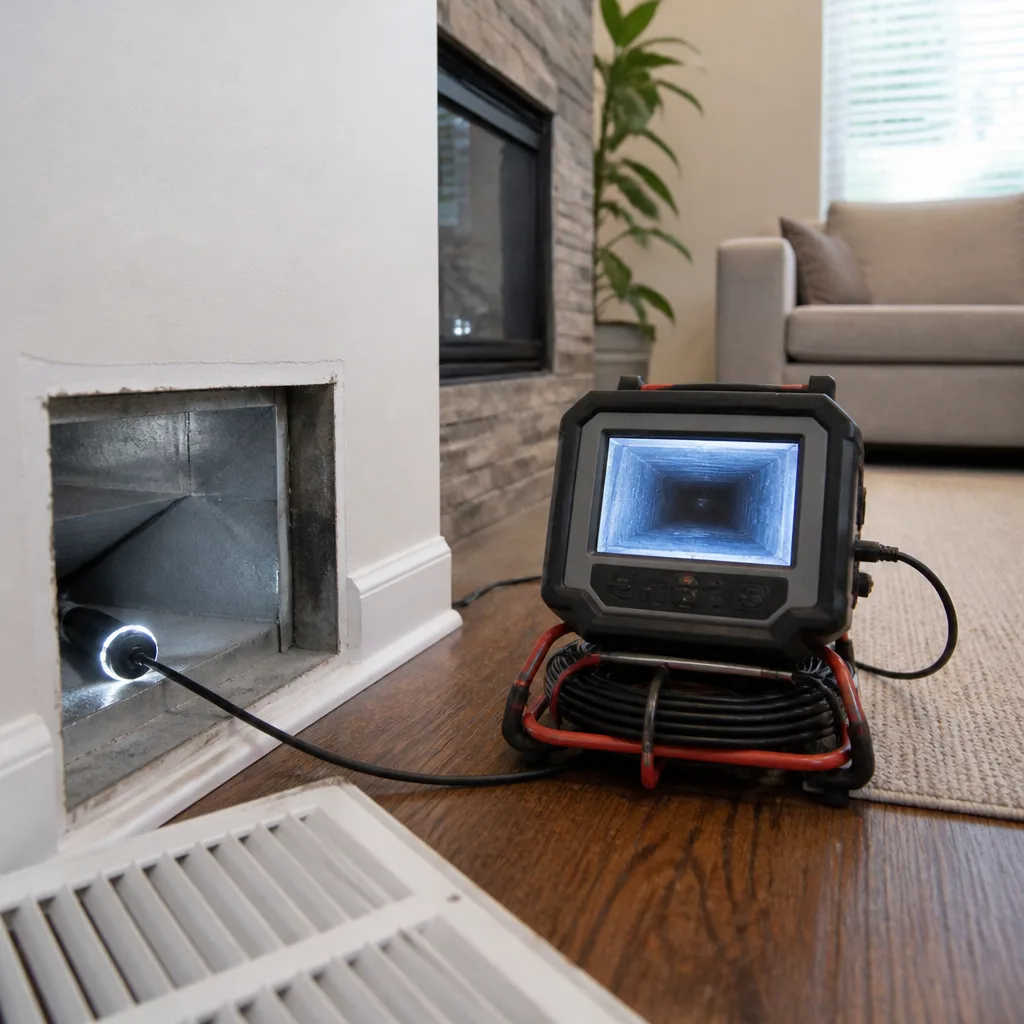 Camera inspection
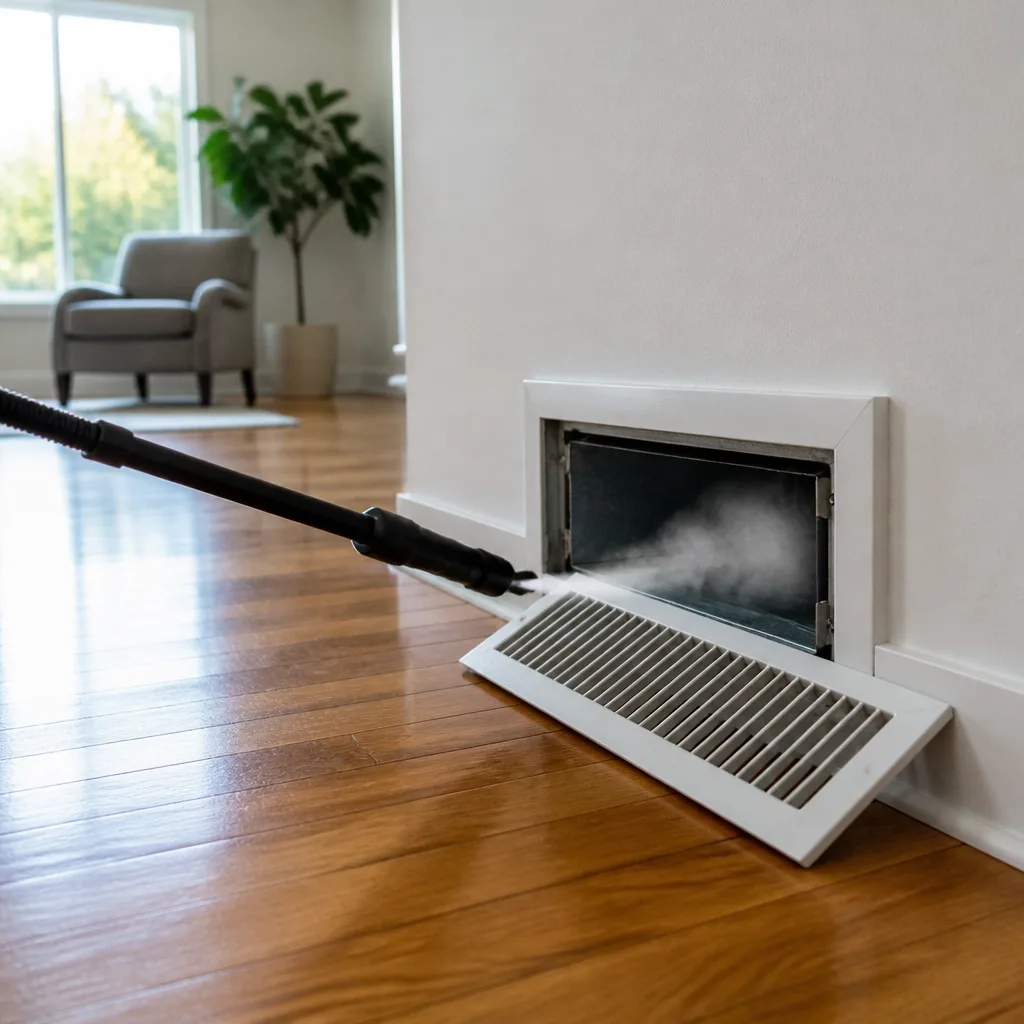 Sanitizing & deodorizing
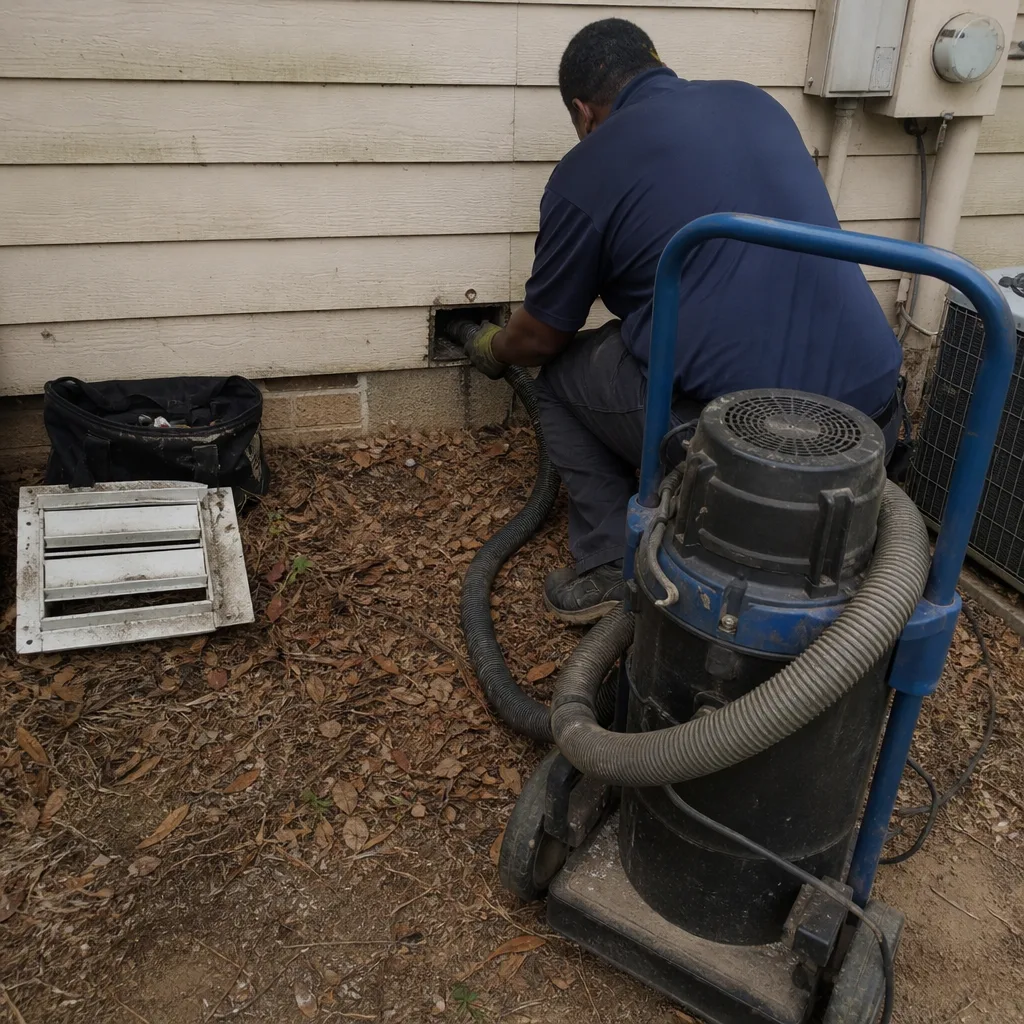
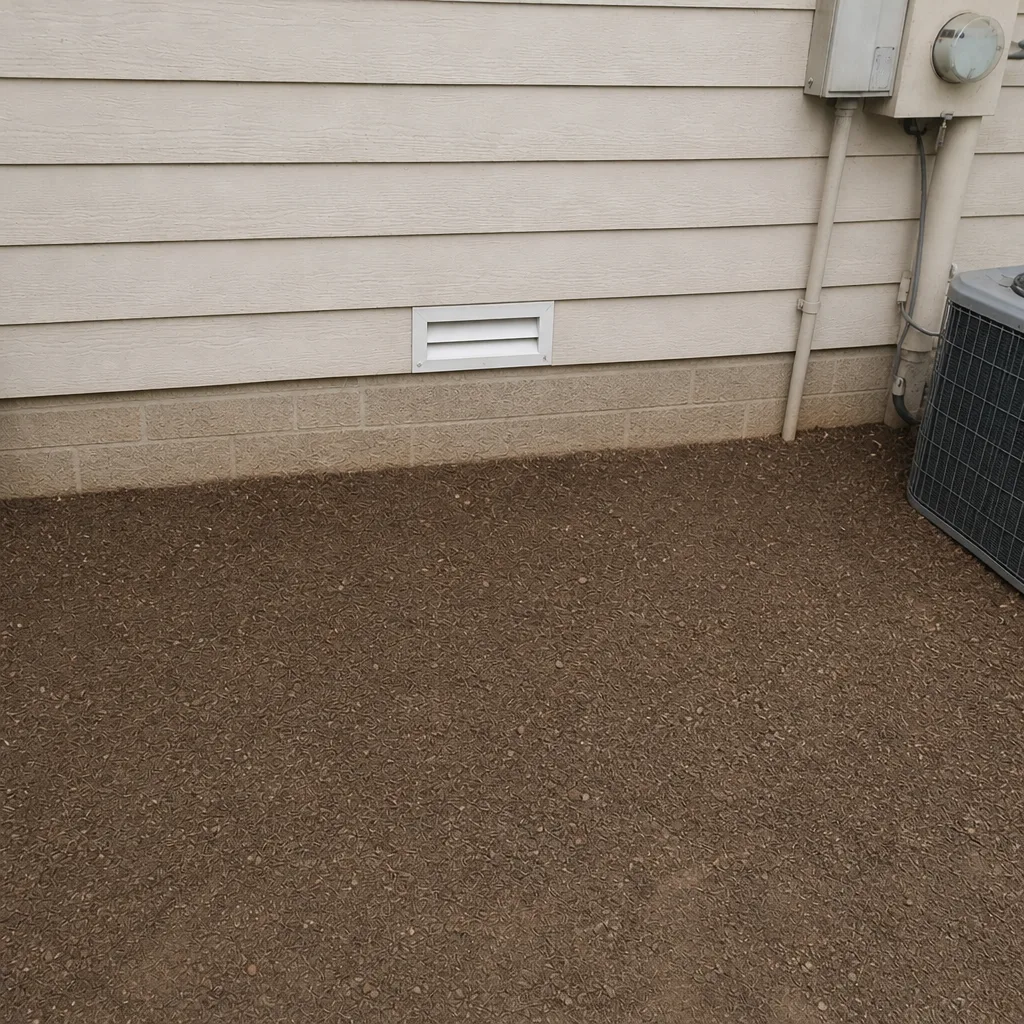
Whole-system duct and dryer vent check with before-and-after photos - you see exactly what came out of your vents
That "$99 whole-house special" is a bait ad - the real number appears once they are in your hallway, or the "clean" is a shop-vac at the register. We photograph the inside of your ducts before and after instead.
Air Duct Cleaning Warning Signs: A South Fulton Homeowner’s Reference Guide
Visible dust at the registers and weak airflow in a back bedroom look like the same problem. In our experience across South Fulton, they almost never share a cause. One is surface contamination inside the ducts. The other is a pressure or integrity failure somewhere in the system, and the two call for completely different work. Most warning sign lists treat every symptom as a reason to book a cleaning, which is why so many homeowners pay for a cleaning that doesn’t fix the room that started bothering them. This guide separates contamination signs from integrity signs, shows you how to tell them apart, and gives you a decision framework for when a symptom needs same-day attention and when it just needs watching.
Quick Answer
Air duct warning signs split into two categories: contamination signs (dust at the registers, musty odor when the AC first runs, visible buildup inside the vents) that point to a cleaning need, and integrity signs (uneven airflow between rooms, whistling, visible disconnection or rusted boot joints) that point to a repair need. Cleaning addresses the first. Only duct repair addresses the second. A trustworthy diagnosis tells you which category your symptom falls into before anyone quotes you.
Styles & brands we work with
- Whole-home duct cleaning
- Dryer vent cleaning
- Camera inspection
- Sanitizing & deodorizing
Table of Contents
- Warning Signs That Point to Contamination
- Warning Signs That Point to Duct Integrity Failure
- South Fulton Triggers to Watch For
- How to Tell a Dirty System from a Leaky One
- When to Act Immediately vs. When to Monitor
- Why Equipment Determines the Answer
- A Room-by-Room Inspection Checklist
- Common Mistakes to Avoid
- When to Call a Professional
- Frequently Asked Questions
Warning Signs That Point to Contamination
Contamination is the category most homeowners expect. If the issue is accumulation inside the ducts, cleaning is the right first response, and it usually resolves the symptom without any additional repair work. The signs below are the reliable ones:
- Dark streaks around the supply registers. The streaks form as the airstream pushes dust out past the grille fins. If the streaks return within a few weeks of wiping them, the source is further upstream.
- Visible buildup inside a removed register. Pull a register off and shine a light inside. A light film is normal. A fuzzy or matted layer on the duct wall is accumulation.
- Musty smell that appears the moment the fan starts and fades after a few minutes. That smell is coming out of the system, not out of the room.
- Dust settling faster than usual. If the furniture needs dusting twice as often, the HVAC system is redistributing dust it has already collected.
- New or worsened allergy symptoms tied to time indoors. This is a signal to inspect, not a diagnosis. A cleaning removes the reservoir, but a doctor handles the medical side.
South Fulton homes built during the recent building push often go three to five years before the first cleaning, and by then the accumulation is measurable. If you’ve recently purchased and don’t know whether the ducts were ever cleaned, that is a reasonable trigger to inspect.
What a proper contamination cleaning actually involves
Contamination cleaning means every supply and return run is brushed or air-whipped under negative pressure, then extracted with HEPA filtration. Containment keeps the debris from migrating into the rest of the house. We use Rotobrush brush systems and Nikro extraction equipment, which are the same tools used in commercial and remediation work. When you review our air duct cleaning process, the containment step is what separates a professional job from a blower and a shopvac.
Warning Signs That Point to Duct Integrity Failure
Integrity failure is the category that costs homeowners the most, because cleaning alone never fixes it. A duct system that has come apart at a joint, collapsed inside a chase, or lost connection at the boot will pass conditioned air into the crawlspace, the attic, or a wall cavity instead of into the room. Here’s how you spot that:
- Room-to-room temperature differences over about 4 degrees. Some variation is normal. A back bedroom that runs noticeably warmer in summer than the front of the house, on the same thermostat setting, is a distribution problem.
- Strong airflow at the registers nearest the air handler and weak airflow at the far end. This pressure imbalance points to a leak or an obstruction between the two.
- Whistling or roaring at a register. A whistle usually means the register is starving for air, which means something upstream is disconnected or undersized.
- Dust in a room even after cleaning. If the room gets dusty again quickly and it’s the only room in the house doing so, the boot may have lost its seal against the floor or wall.
- Rust at the metal boot where the duct meets the floor or wall. Rust at that joint is often condensation, which usually means air is escaping at the seal.
- Cold or hot spots you can feel by hand near a floor register. A missing seal at the boot shows up as a strip of unconditioned air leaking at the floor line.
Air duct repair is the correct response here. Our Tidewater Air Duct Cleaning team handles repair alongside cleaning, so problems found during the cleaning get fixed in the same visit instead of being deferred to a second contractor. We clean it. If it’s damaged, we repair it. That combination is what South Fulton homeowners actually need when the symptom turns out to be integrity, not contamination.
South Fulton Triggers to Watch For
South Fulton’s climate and housing stock produce a few timing patterns that most generic duct cleaning articles never mention. These are the ones worth watching on a calendar:
The first AC run of summer
When the system sits idle through the cooler months, condensation that never fully dried in the plenum or the cooler runs can promote biological growth on the coil and duct surfaces. The first time the fan comes on in June, that growth gets pushed into the house. If the musty smell clears within a few minutes and never returns until the next season change, cleaning is usually the correct response. If the smell stays for the full cooling cycle, the source is more likely the coil or drain pan than the ducts, and the duct cleaning alone won’t solve it.
Rust at metal boot connections
South Fulton’s humid summers put condensation pressure on every metal boot where a duct transitions to a floor or wall register. A rust line at that joint is a strong signal that the seal has cracked or the duct has separated from the boot. Left alone, the gap grows and the room loses more conditioned air each season. Look at the metal edge of the register frame with a flashlight. Orange is the warning color.
Uneven room temperatures in slab-on-grade homes
Slab-on-grade construction is common across South Fulton, and those homes route ductwork through the attic rather than the slab. Attic runs are exposed to extreme summer heat, and any disconnected joint up there loses air into 130-plus-degree space before it ever reaches a bedroom. That is the leading reason a back bedroom stays warm in a slab-on-grade South Fulton house while the front rooms are comfortable. Cleaning the system doesn’t fix that gap. Repair does.
New construction and recent renovation
New builds and major renovations leave drywall dust, sawdust, and construction debris in the system. That debris settles in the low runs and can clog a coil. Schedule an inspection once the dust from the project has settled, not mid-construction. A cleaning before you move furniture back in is the practical order of operations.
How to Tell a Dirty System from a Leaky One
The single most useful diagnostic is the whole-home pressure test. It answers in about 15 minutes whether the ducts are dirty, leaky, or both. Here’s how the test works in principle, and why a shopvac operation can’t run it:
- The air handler is cycled off. Registers are taped closed at the face.
- A calibrated fan is mounted at the air handler cabinet where a filter grille or access panel usually sits.
- The fan pressurizes the duct system and holds it at a set pressure. The fan’s flow reading is the total leakage.
- The reading is compared to the design airflow of the system. A leak past a working threshold means the ducts are losing meaningful conditioned air to the attic, crawlspace, or wall cavities.
- The same test is repeated during cleaning to confirm the extraction is actually pulling air out of the system, not just pushing dust around.
Shopvac-based cleaners don’t carry a calibrated fan, so they can’t measure leakage or verify a seal. That’s the practical difference between diagnosis and a guess. The equipment matters: a Rotobrush system with HEPA extraction can clean a contaminated system to a verified standard, and a Nikro vacuum and containment setup can hold the debris capture during the work. Abatement Technologies filtration completes the containment picture. Companies that carry this equipment can measure the result. Companies that don’t ask you to take it on faith.
Warning signs of both at once
The most common real-world case in South Fulton is contamination plus a small leak. Cleaning resolves the visible symptom, but the room-temperature complaint persists because the leak remains. A company that only cleans will declare the job done. A company that also repairs will find the loose boot and close it. That’s why we position the repair capability alongside the cleaning on every estimate: it’s the only way to make sure both categories of symptom get addressed in one call.
When to Act Immediately vs. When to Monitor
Not every symptom needs a call today. Here’s a decision framework organized around urgency, based on what we’ve seen across South Fulton:
Act now (schedule an inspection within the week)
- Any smell that persists for the entire cooling cycle. A smell that doesn’t fade is a sign the source is active, not residual.
- Visible mold or dark growth inside a duct that can be seen with a flashlight through a register. This limits scope: we clean and repair ducts, and if a licensed mold remediation evaluation is the next step, we’ll tell you rather than pretend it’s within our scope.
- A dryer vent that is taking more than one cycle to dry a normal load. That is a fire-hazard threshold. Lint buildup in a dryer vent restricts airflow and the dryer runs hotter. Book dryer vent cleaning as a standalone service rather than as an add-on to something else.
- Carbon monoxide or combustion smell near a furnace. Turn the system off and call your gas utility first, then a duct professional. Don’t operate the system until the cause is identified.
- Whistling at a single register for more than a week. Usually a disconnection or a collapsed run.
Inspect within 30 days
- Rooms that run 4 degrees or more off from the thermostat setting. That spread points to distribution, but doesn’t require same-day action.
- Dust streaks at the registers returning within 3 to 4 weeks.
- First-use musty smell of summer that clears. Schedule a cleaning before the next season.
Monitor (log the symptom, revisit next season)
- Light dust film at registers in a home under two years old.
- A single room that gets dustier than the rest. Note it, don’t panic. If the pattern grows, that’s your trigger to inspect.
- Slight musty smell that only appears during the hottest week of summer. Watch whether it spreads to other rooms.
Write the symptom and date down. “The back bedroom is warmer” is not useful to a technician if you can’t say when it started. A month of notes often reveals whether the problem is seasonal, structural, or tied to a recent change like a new AC install.
Why Equipment Determines the Answer
A warning sign only helps if the cleaner you call can actually read it. The equipment on the truck is the tell. Here’s what to ask about by name:
- Rotobrush brush systems for the brush-based agitation inside the runs. Consumer shopvacs and improvised blowers can’t push through a full duct run under load.
- Nikro vacuum equipment for the extraction and the negative-pressure containment. If the vacuum can’t pull hard enough, the brushing just frees debris into the house.
- Abatement Technologies filtration and containment for the filtration side. The Guardsman line covers the treatment side of the protocol when a treatment is used, so the containment is not the only thing standing between you and the dust.
We work with Honeywell and Aprilaire indoor air quality systems too, which matters when the ducts connect to an IAQ setup. The system wasn’t built for a shopvac and a promise. Our technicians have up to 13 years of experience working with these systems, and the equipment we use is the same standard you’d see on a commercial or remediation job.
A Room-by-Room Inspection Checklist
You can run this walkthrough in 20 minutes with a flashlight and a notepad. It won’t tell you what the leakage measurement is, but it will tell you which category your symptoms belong to.
- Start at the air handler. Look at the filter. A clogged filter mimics a duct problem. Replace it before diagnosing anything else.
- Walk every supply register with a flashlight. Note dust streaks, rust, whistling, or a register with noticeably less airflow than the others.
- Pull one register off and look inside the duct wall with the flashlight. Note the film depth. Every register you inspect should look similar. A single register that looks dramatically worse is a clue about local leakage.
- Place your hand at each register for 10 seconds. Note which rooms feel strong and which feel weak.
- Compare the room temperatures on the same thermostat setting. Write down the difference in degrees.
- Walk to the dryer while it’s running. If the outside vent flap barely lifts, or the exhaust feels weak, book a dryer vent cleaning separately.
- Smell at each return. A musty smell at a return in one room tells you something about that room, not the whole system.
Take photos of what you find. When you call, the technician can look at the photos and tell you which category of service is likely. Call (833) 991-9213. We answer 24/7. Fast dispatch from 7am to 7pm, Sunday through Friday.
Common Mistakes to Avoid
- Booking a cleaning before anyone has diagnosed the problem. Cleaning a leaky system is like washing a bucket with a hole in it. The call you want first is an inspection, and a good one tells you which category of symptom you have before quoting a service.
- Assuming the dust in a single room is a whole-system problem. A single dustier room in a South Fulton home almost always points to a boot seal or a disconnected run in that room, not the entire duct network.
- Treating a hot back bedroom as a thermostat issue. Moving the thermostat up or down just changes the whole house. The temperature gap is a distribution problem, and the cause is almost always at the far end of the trunk.
- Skipping the dryer vent because it wasn’t on the original booking. A dryer vent is a fire hazard waiting to be ignored. It’s a separate system from the HVAC ducts and needs a dedicated cleaning, not an afterthought.
- Taking a low coupon price at face value. A suspiciously low phone price usually converts to a much bigger invoice once the technician is on site. One flat price per system agreed before work starts is the standard that protects you.
- Not asking for before-and-after photos of your own ducts. If a cleaning company won’t photograph the work in progress, you can’t verify it happened. Before-and-after photos of your own ducts are a reasonable ask.
- Waiting until the smell is unbearable. A musty odor that’s mild at the start of summer is easier and cheaper to address than one that’s been driving the whole house for two months.
When to Call a Professional
Call a professional if any of the following is true at your South Fulton home. A smell that never fades through the cooling cycle, a temperature spread of 4 degrees or more between rooms, a dryer taking more than one cycle to dry a load, visible dark growth inside a duct, a whistling register, or a rust line at any metal boot where the duct meets the floor or wall. Any of these crosses the line from “monitor” to “get it looked at.” We offer a free estimate and one flat price per system, agreed before work starts. Call (833) 991-9213. We answer 24/7. Fast dispatch from 7am to 7pm, Sunday through Friday.
Frequently Asked Questions
A musty odor that appears the moment the fan comes on and fades after a few minutes is the most reliable contamination sign, because the smell is carried out of the system. Dust streaks returning to the registers within weeks is the second. That said, always confirm you don’t also have an integrity problem before booking a cleaning. A cheap diagnostic run first saves money overall.
Prices vary with system size, accessibility, and whether repair is needed, and the written estimate sets the final number. The safer question is not “how cheap can I get it” but “is the price per system and agreed before work starts.” A coupon price quoted over the phone is not a price. Call (833) 991-9213 for an exact quote. Estimates are free.
The low quote usually reflects a smaller crew, lower equipment grade, or a price that gets revised on site once the technician is in your home. The professional equipment matters: a Rotobrush brush system and Nikro vacuum cost many times more than a shopvac, and the difference is visible in what gets cleaned out and what gets left behind. One flat price per system, written down before work starts, is the standard to insist on.
Ask for before-and-after photos of your own ducts, not stock photos, and ask whether the extraction was verified with a pressure reading. A company that measures the work can show you the number. A company that can’t measure it can only describe it.
Most South Fulton homes need a cleaning every three to five years, but the trigger should be a symptom, not a calendar. Homes with pets, recent renovations, or allergy concerns need it more often. Homes with no symptoms can stretch longer. Monitor the signs in this guide instead of booking on a schedule.
A shopvac can’t reach more than a few feet into a duct run, and it has no containment or HEPA extraction, so any dust it frees ends up in the room. It also can’t measure leakage, which means it can’t tell you whether the system is dirty or leaky. For a system with real symptoms, it’s the wrong tool for the job.
We repair ducts. Cleaning, dryer vent service, and air duct repair are all handled by us, so a problem found mid-cleaning gets fixed in the same visit. You don’t need a second contractor, and you don’t need a second appointment for the repair.
They’re separate systems addressing different hazards. The HVAC ducts handle your indoor air quality. The dryer vent exhausts heat and lint, and a restricted dryer vent is a fire hazard that needs a dedicated cleaning rather than an add-on. If your dryer takes more than one cycle to dry a normal load in a South Fulton home, book a dryer vent cleaning on its own. If you’re in a nearby community, our Riverdale page walks through the same approach.
The Bottom Line
Most air duct problems in South Fulton fall into one of two categories. Contamination signs (dust streaks, musty first-run smell, visible buildup) call for cleaning. Integrity signs (uneven room temperatures, whistling, rusted boot joints, weak far-register airflow) call for repair. A trustworthy professional tells you which category you’re in before quoting a service. Equipment matters: Rotobrush brush systems, Nikro extraction, and professional containment get the job done to a verifiable standard. Before-and-after photos of your own ducts and one flat price per system are the two protections worth insisting on. Call Tidewater Air Duct Cleaning at (833) 991-9213 for a free estimate in South Fulton. We answer 24/7. Fast dispatch from 7am to 7pm, Sunday through Friday.
Written by the team at Tidewater Air Duct Cleaning.
See the difference
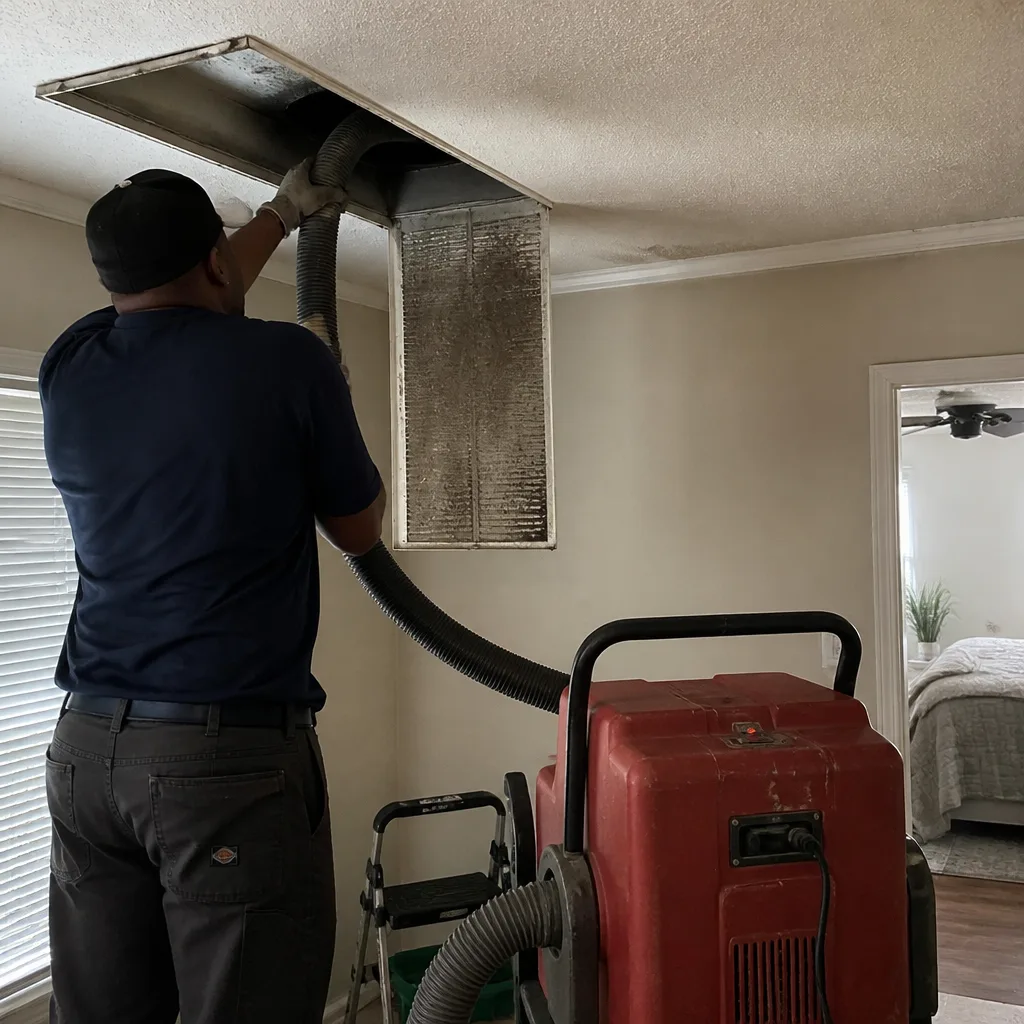 Before
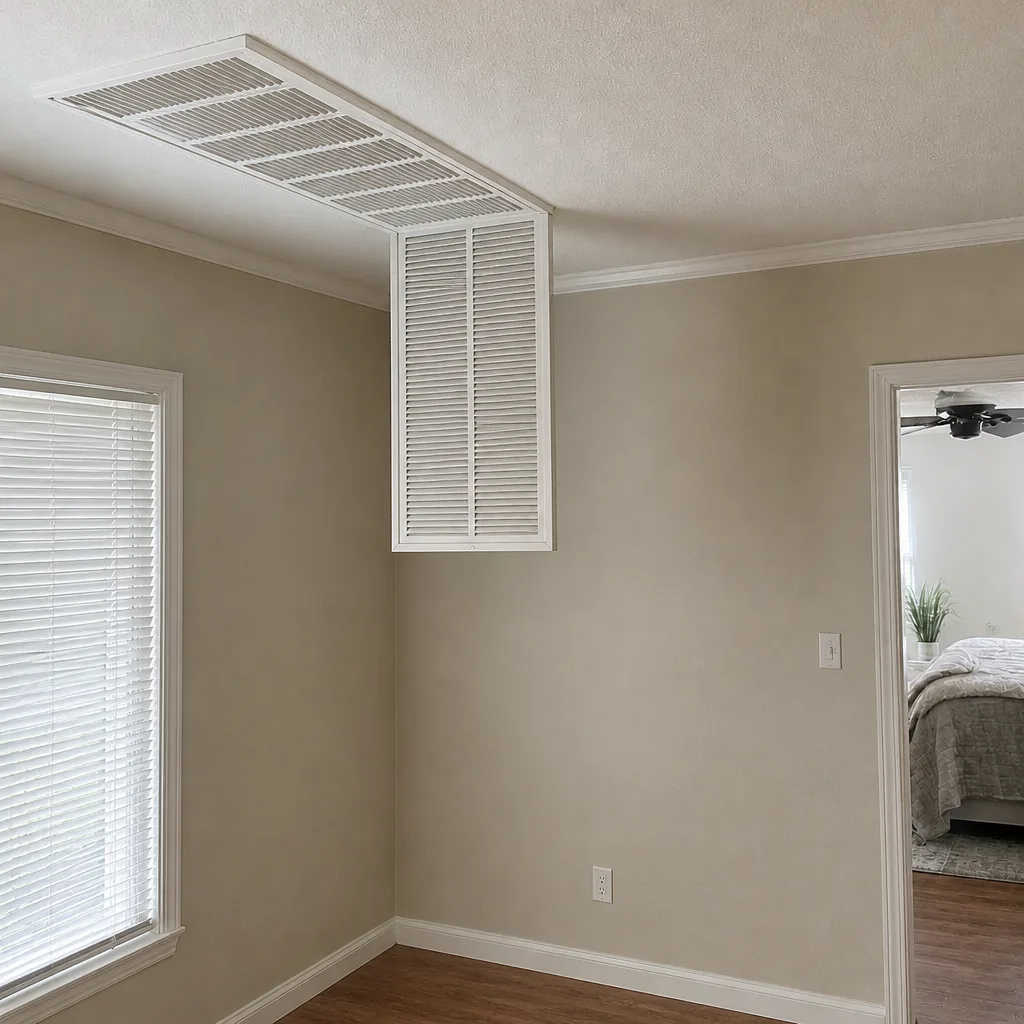 After
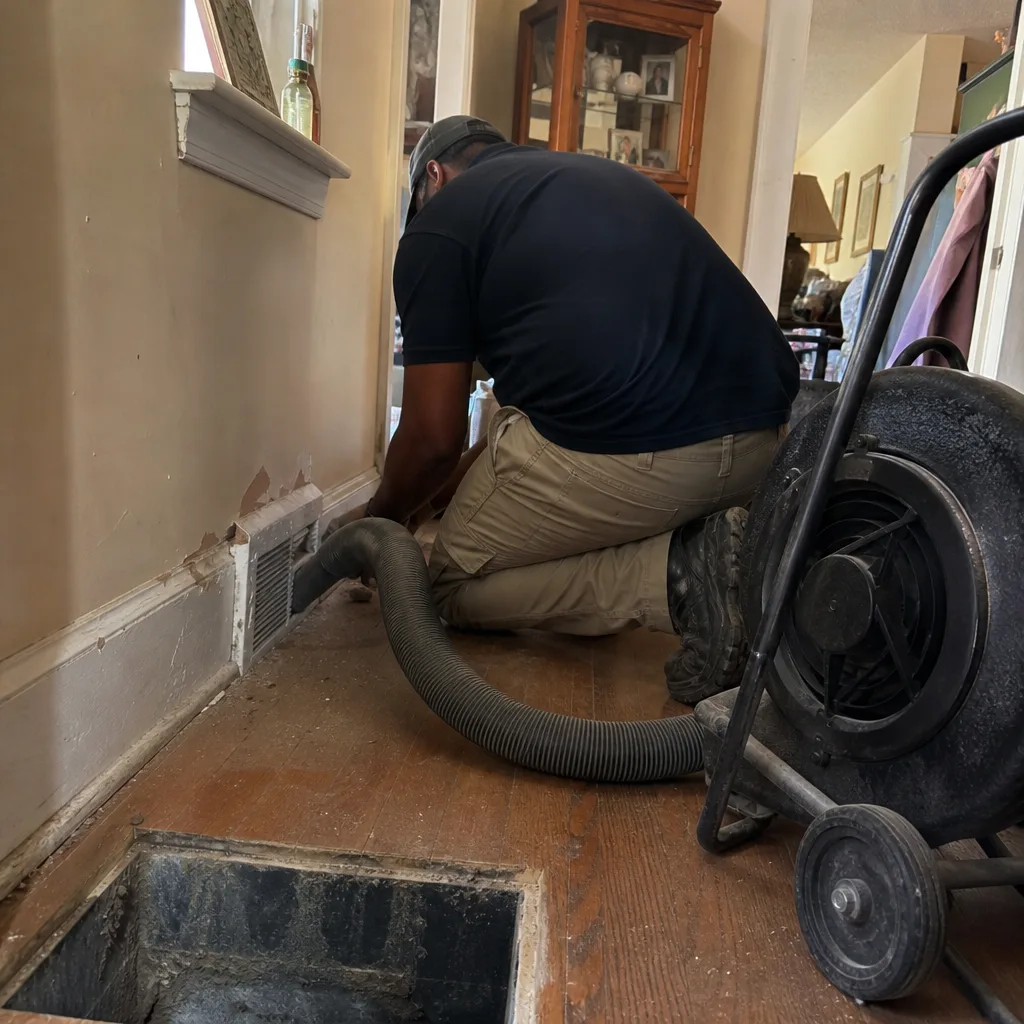 Before
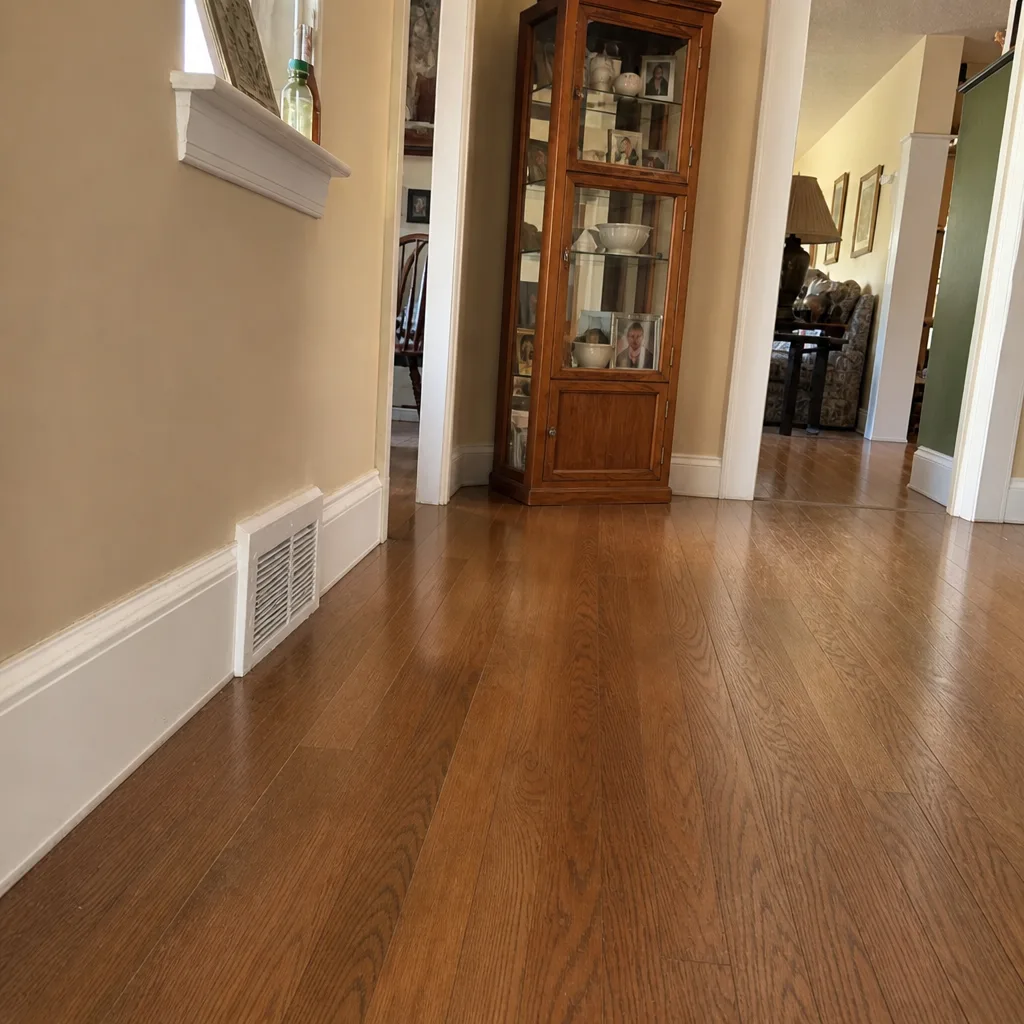 After
 Before
 After