
Last updated November 15, 2026
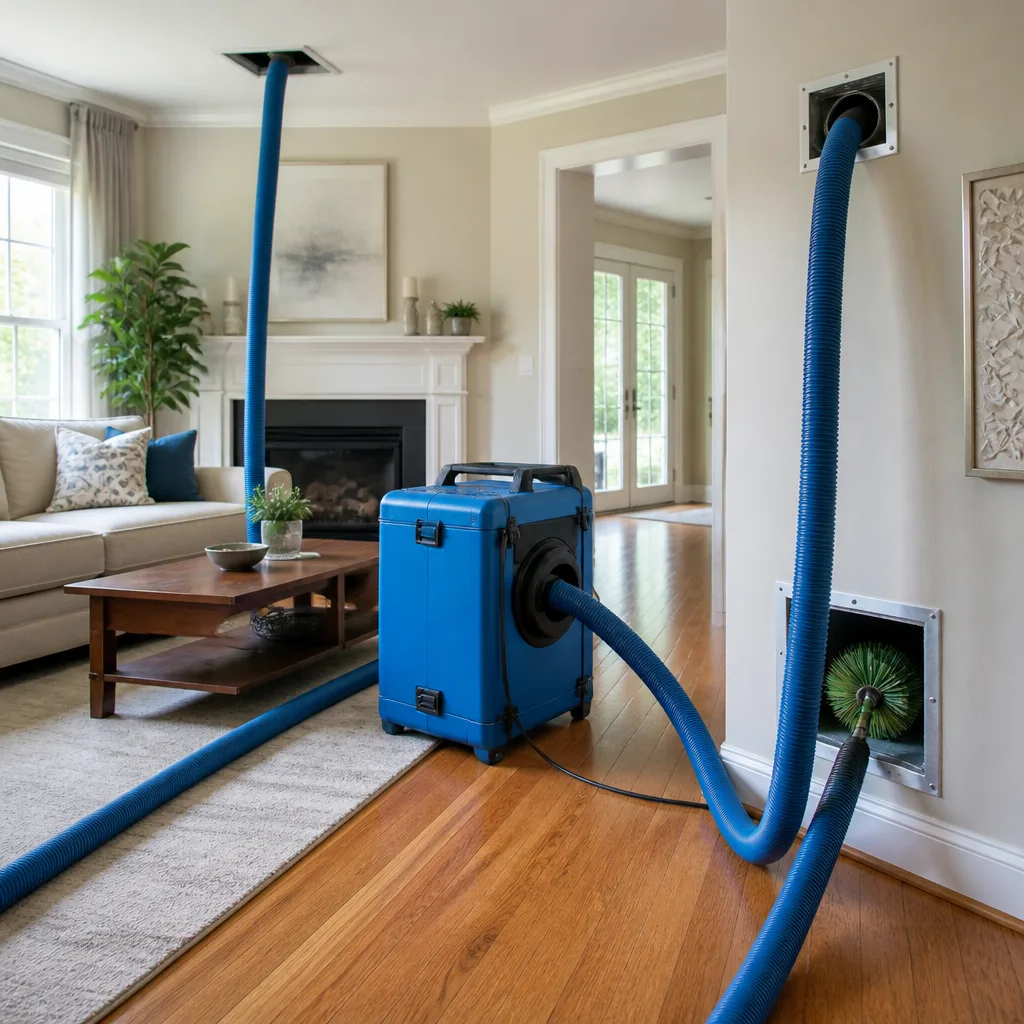 Whole-home duct cleaning
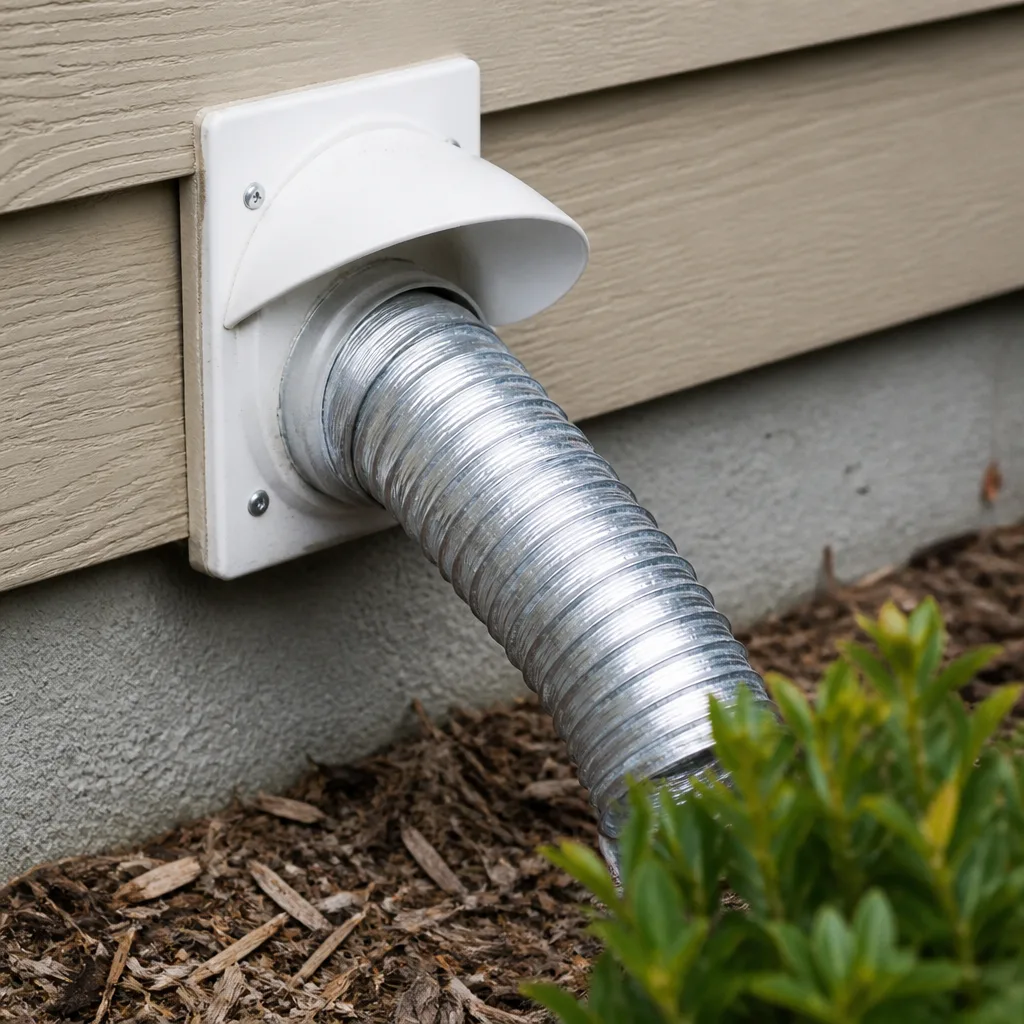 Dryer vent cleaning
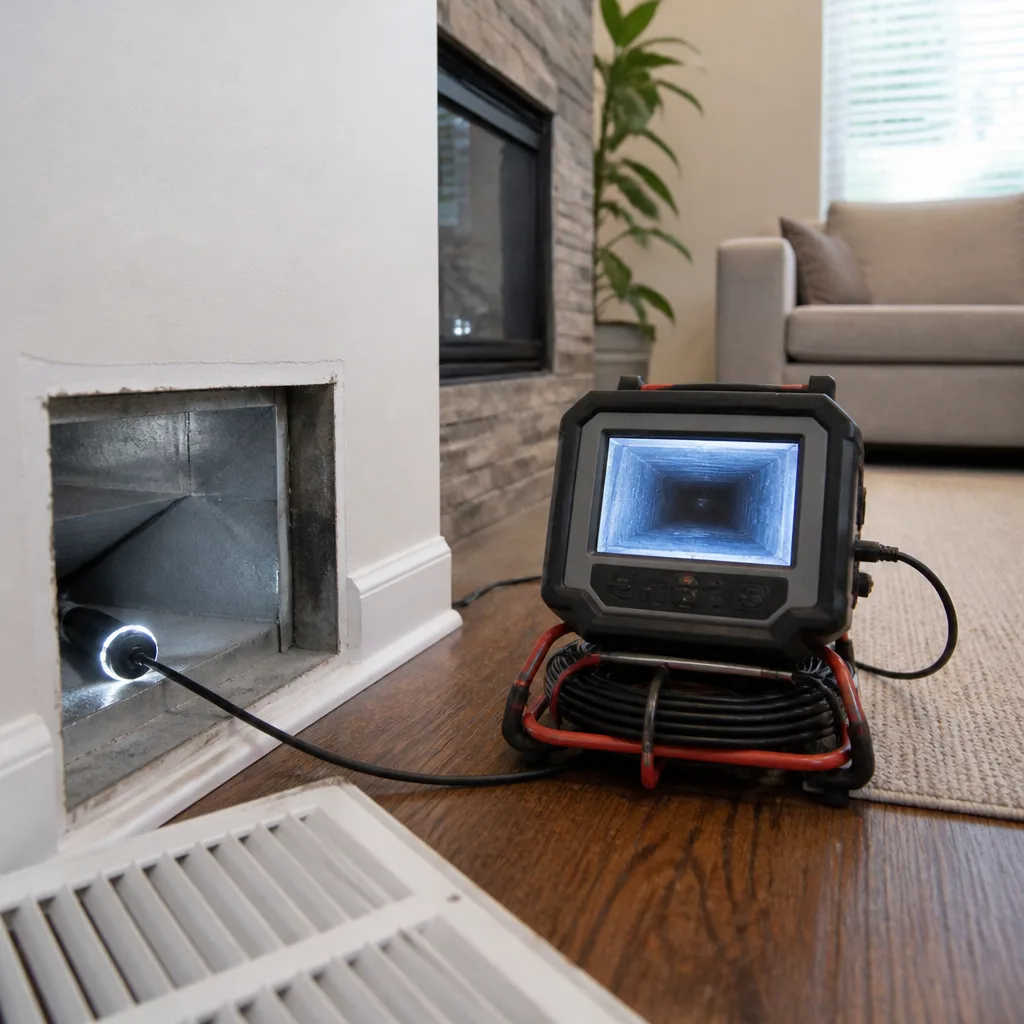 Camera inspection
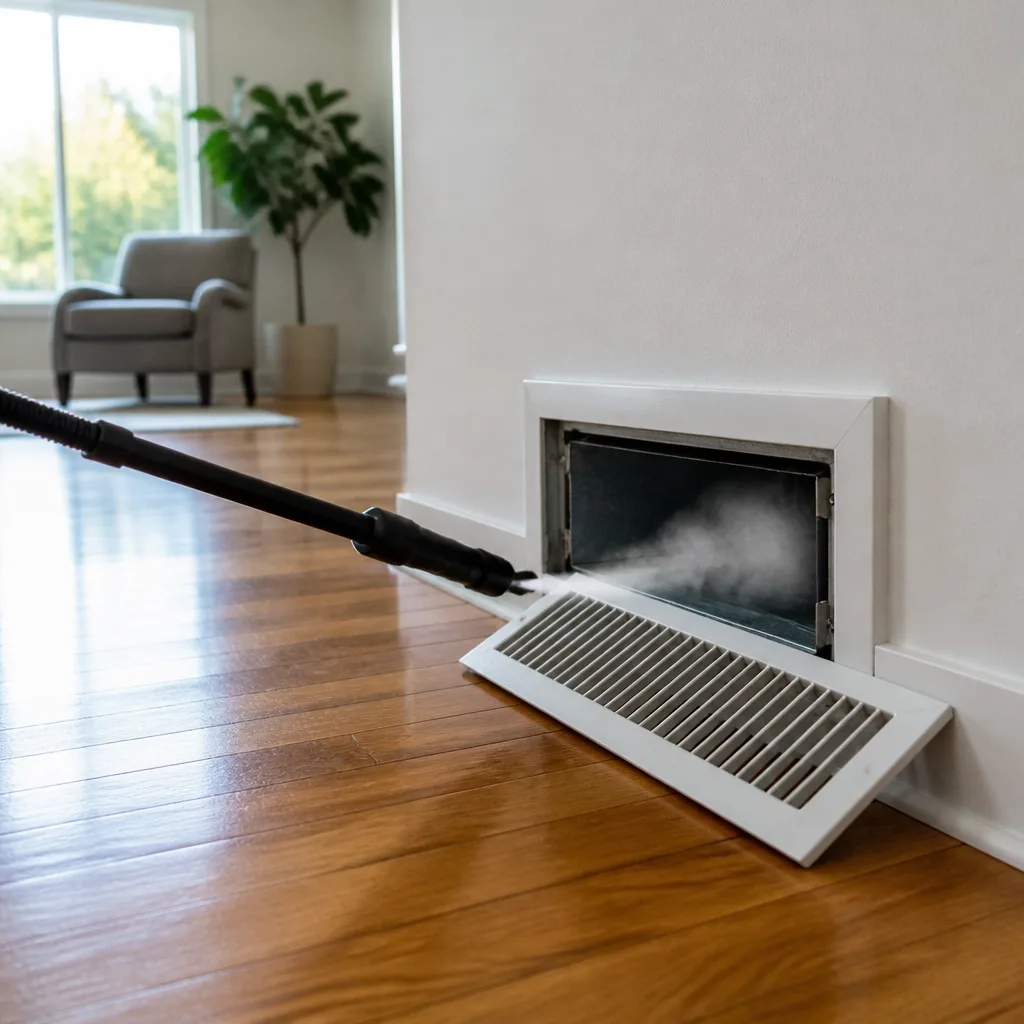 Sanitizing & deodorizing
Whole-system duct and dryer vent check with before-and-after photos - you see exactly what came out of your vents
That "$99 whole-house special" is a bait ad - the real number appears once they are in your hallway, or the "clean" is a shop-vac at the register. We photograph the inside of your ducts before and after instead.
Air Duct Cleaning Emergency Preparedness Guide for South Fulton Homes
Most South Fulton homeowners treat emergency prep as a roof question and a window question. Storm comes through, shingles go, glass cracks, water gets in, and the plan kicks in. Here’s the part almost nobody plans for: the HVAC system usually comes back on before the house is actually dry. That conditioned air moves through duct runs that may now be sitting in damp insulation, carrying moisture and whatever it has picked up through every room in the house. The system isn’t drying anything. It’s spreading the problem. This guide covers what a water intrusion, fire, or pest event really does to a duct system and how to build duct response into your emergency plan before you need it.
Quick Answer
After a water, fire, or pest event in a South Fulton home, the duct system should be evaluated before the HVAC runs again, not after. Shut the system down if water has entered the attic or crawlspace near duct runs, document the damage with photos, and bring in a duct specialist and, where structural drying is needed, a restoration company. Duct cleaning alone is often not enough; damaged flex duct, soaked insulation, or pest-nested runs typically need repair or replacement.
Styles & brands we work with
- Whole-home duct cleaning
- Dryer vent cleaning
- Camera inspection
- Sanitizing & deodorizing
Table of Contents
- What Happens to Ducts After a Water Intrusion
- When to Shut the HVAC System Off
- What to Document Before Any Cleaning Begins
- Fire and Smoke Damage in Duct Systems
- Pest Intrusion: Why Repair Comes Before Cleaning
- Building a Home Emergency File for Your Duct System
- What Georgia Insurance Typically Covers for Duct Work
What Happens to Ducts After a Water Intrusion in South Fulton
The hours right after a water event matter more than most people realize. A roof leak, a burst supply line, an overflowing appliance pan, or a crawlspace flood all point moisture toward the same place: the duct system. Flexible duct loses in those conditions fast. The inner liner wets out, the fiberglass insulation around it stays damp, and the whole run becomes a habitat rather than a conduit. Mold colonization in a duct system doesn’t wait a week. In a humid Georgia summer, damp duct material can start to support growth within a day or two.
South Fulton’s climate pushes this harder than most. Long humid stretches, spring storm systems that dump rain fast, and older homes around Riverdale with original flex duct in the attic all raise the odds of a duct system getting wet and staying wet. If your attic sits over living space and your duct runs are laid on the joists, any roof penetration or condensate failure puts water directly against them.
What the water event actually does:
- Wets insulation that doesn’t dry out. Fiberglass wrap on flex duct loses its ability to insulate once it’s been soaked and re-wets every cool cycle.
- Startles mold inside the liner. The interior of a wet flex duct is dark, humid, and warm. That’s the exact condition mold needs.
- Loosens duct tape and sealant. Water degrades the adhesive on taped joints, opening leaks that pull attic air into the system.
- Pulls in attic air. Once the system runs again, leaks at wet joints draw in attic air, insulation fibers, and whatever is growing on the framing above.
The practical point: a water intrusion is a duct event, not just a roof event. Evaluate the duct system before the HVAC goes back into normal service.
When to Shut the HVAC System Off After a Water Event
Shutting the HVAC off is the first decision, and it’s usually made wrong. The instinct is to run the system to dry things out. That instinct comes from the fact that air movement does help dry a house, but it only helps when the air is clean and the ducts are dry. Pulling conditioned air through soaked, contaminated duct runs distributes moisture and debris through the whole house.
Numbered decision sequence for a South Fulton home:
- Shut the system off at the thermostat immediately if water has touched or entered any duct run, the air handler, or the return plenum.
- Kill power at the air handler breaker if water is anywhere near the blower compartment, the control board, or the electrical connection.
- Photograph everything before you touch it. Duct runs, insulation, water lines, the air handler, and the visible moisture lines on drywall or framing.
- Call a restoration company first for structural drying of framing, drywall, and insulation. Restoration is about the building; duct work is separate.
- Call a duct specialist to evaluate the duct system before the HVAC is switched back on. Cleaning, repair, or partial replacement may all be needed.
- Only power the system back on after the ducts have been cleared, damaged sections repaired or replaced, and the air handler compartment is confirmed dry.
The two trades aren’t competing. A restoration company handles framing and drywall moisture; a duct specialist handles what’s inside the duct system. Skip either one and the other’s work doesn’t hold.
What to Document Before Any Cleaning Begins
Documentation is the part homeowners skip, and it’s the part insurance adjusters need. Anything that goes into a claim or a dispute over scope needs to be photographed or written down before anyone touches the duct system. Once cleaning starts, the evidence is gone.
Photograph and record before any cleaning:
- The air handler and furnace, including the model and serial plate.
- Every visible duct run, especially any that has wet insulation, sagging flex, or visible staining.
- All access points and registers, with tape measure or ruler in the frame for scale.
- The attic or crawlspace condition around the duct work, including framing and insulation.
- Any pest evidence: droppings, nesting material, chew marks, carcasses.
- Any smoke staining on register grilles or duct lining, before wiping.
- The date, time, and cause of the event, in writing.
- Names and contact information for the restoration company, plumber, or roofer involved.
A duct map is worth building too, if you don’t already have one. Sketch or photograph the duct layout on a normal day, not on the day of the emergency. A rough sketch of the trunk line, the branches, and the register locations is enough for a specialist to plan a scope before arrival. Building this ahead of time is part of the emergency file we cover further down.
Fire and Smoke Damage: Why Standard Cleaning Isn’t Enough
Smoke is more persistent than most homeowners expect. Soot and odor particles travel the same path as conditioned air, and they stick. They embed in duct lining, in the seals at joints, and in the interior surfaces of the air handler. A standard light cleaning that knocks loose debris free but doesn’t agitate the surface won’t pull the embedded smoke residue out of the lining, and the odor will return the first warm day.
What a real smoke-damaged duct response involves:
- Mechanical agitation with brush systems that reach the full lining surface, not just a vacuum nozzle at the register.
- HEPA-grade filtration on the extraction side, so loosened particulate is captured instead of redistributed into the room.
- Containment at the work area, so smoke residue and cleaning debris don’t cross into clean rooms during the process.
- Sealant evaluation at the joints, because smoke travels through the smallest gaps and will re-enter a system if the seals aren’t sound.
- Odor source correction, which means the ducts are addressed, the air handler is addressed, and the source of the smoke is confirmed resolved before the system runs again.
This is where professional-grade equipment matters, not as a marketing point but as a practical one. Abatement Technologies filtration and Nikro extraction equipment exist because consumer vacuums and improvised setups can’t do this work. If the cleaning crew shows up with a shop vacuum, walk them back out.
Pest Intrusion: Why Repair Comes Before Cleaning
Rodents and insects turn duct systems into habitat. Rats and mice chew through flex duct walls to get in, and once they’re inside they nest in the insulation wrap and move through the run. Insects follow. Squirrels tear loose the flexible connections at the air handler. What you’re left with is a duct system that has open breaches to the attic or crawlspace, is lined with droppings and nesting material, and pulls unconditioned air from whatever cavity the pest came out of.
This changes the response sequence. A duct system with pest intrusion is not a cleaning job first. It’s a repair job first.
- Locate and confirm the breach. A specialist inspects the full run with a camera, not just the register faces.
- Remove and dispose of contaminated duct sections. Insulation wrap that’s been soiled is not restored by cleaning; it’s cut out and replaced.
- Seal the building envelope where the pest entered. Otherwise the new duct is breached the same way within weeks.
- Clean the salvageable runs with mechanical agitation and HEPA extraction, after the damaged sections are removed.
- Repair and re-seal the connections at the air handler and register boots, then confirm airflow and static pressure.
- Address the HVAC equipment if the blower or coil has been exposed to pest debris.
Skip the repair step and cleaning is wasted work. This is why Air Duct Repair belongs in an emergency plan alongside cleaning, and why a duct system with pest damage in a South Fulton home may need sections replaced before cleaning even makes sense. Dryer vent runs get the same treatment: birds and rodents get into exterior vent terminations, and a dryer vent cleaning on a blocked or compromised run is a fire concern as much as an efficiency one.
Building a Home Emergency File for Your Duct System
Most emergency files hold insurance paperwork and a list of important phone numbers. A duct system deserves its own section. The point is not to prepare for the worst; it’s to know what you have before you need to explain it to anyone.
What a duct section of the emergency file should hold:
- Photographs of every access point. Register faces, return grilles, attic access, air handler panel. Taken on a normal day with the system off.
- A rough duct layout. A pencil sketch of trunk and branches, or annotated photos of the attic, is enough.
- HVAC equipment specs. Model and serial numbers for the air handler, furnace, and outdoor unit. Energy guide labels and filter sizes.
- Filter maintenance log. Last change date, filter MERV rating, and any seasonal notes.
- Contractor contacts. A duct cleaning and repair specialist, an HVAC contractor, a plumber, a roofer, and a restoration company.
- IAQ equipment notes. If you have a whole-home air quality system from Honeywell or Aprilaire, note the model and installation location.
Keep the file on your phone and a paper copy somewhere the whole household knows. After a real emergency, you want it in hand, not assembled from memory. The documentation doubles as prep work for a routine air duct cleaning visit, since a specialist already knows where every access point is.
What Georgia Insurance Typically Covers for Duct Work
Homeowners insurance in Georgia generally treats duct cleaning as a service the homeowner pays for, unless a covered event caused the duct damage. The distinction matters. Routine duct cleaning isn’t covered. Duct cleaning and repair tied to a covered peril, such as a burst pipe, wind-driven rain through a roof breach, a fire, or a covered appliance failure, often is covered, within the home’s coverage limits and rules.
What adjusters typically want to see:
- A written cause of loss, with date and time.
- Photographs taken before cleaning or repair started.
- Documentation that the duct damage resulted from the covered event, not from prior condition or deferred maintenance.
- An itemized estimate from the duct specialist, splitting cleaning from repair and replacement.
- Restoration company reports and invoices, if structural drying was part of the response.
- HVAC contractor documentation, if the air handler or coil required work.
Read the policy. Most Georgia policies exclude gradual damage, pest damage, and neglect. That means a pest-intrusion duct repair may not be covered even though a water-intrusion duct replacement might be. Ask your adjuster directly whether duct cleaning and duct repair are included, and get it in writing before the work starts.
One more point on the claim: don’t let anyone perform the cleaning before the adjuster sees the condition. Cleaning erases the condition evidence. That order matters even when the work is urgent.
Common Mistakes to Avoid
- Running the HVAC to “dry things out” without inspecting the ducts first. That conditioned air pulls moisture and contamination through the whole house. Water in the ducts is a reason to shut the system off, not run it harder.
- Letting the cleaning crew start before photos are taken. Once duct cleaning begins, evidence of the event is gone, and the insurance claim often goes with it.
- Hiring a crew that shows up with a shop vacuum. Rotobrush brush systems and Nikro extraction exist for a reason. A shop vacuum cannot agitate lining or filter fine soot, and the residue re-enters the house the day the AC comes on.
- Cleaning a duct system with pest damage instead of repairing it first. Cleaning a duct run with chewed flex, contaminated insulation, and open connections to the attic just loosens debris into a broken system. Repair, then clean.
- Skipping the restoration company because the ducts seemed like the bigger problem. Wet framing and wet insulation in the attic are a separate problem from wet duct lining, and they need to be dried at the same time.
- Skipping smoke-damaged duct work because the fire was “small.” Soot and odor embed deeper than the fire damage suggests. A small kitchen fire can leave a duct system smelling of smoke for a year if it isn’t agitated and filtered properly.
- Treating the dryer vent as part of “general duct cleaning.” A separate dryer vent service exists because the hazards are different. Lint buildup and pest intrusion in the exterior vent are fire concerns, not air quality ones.
See the difference
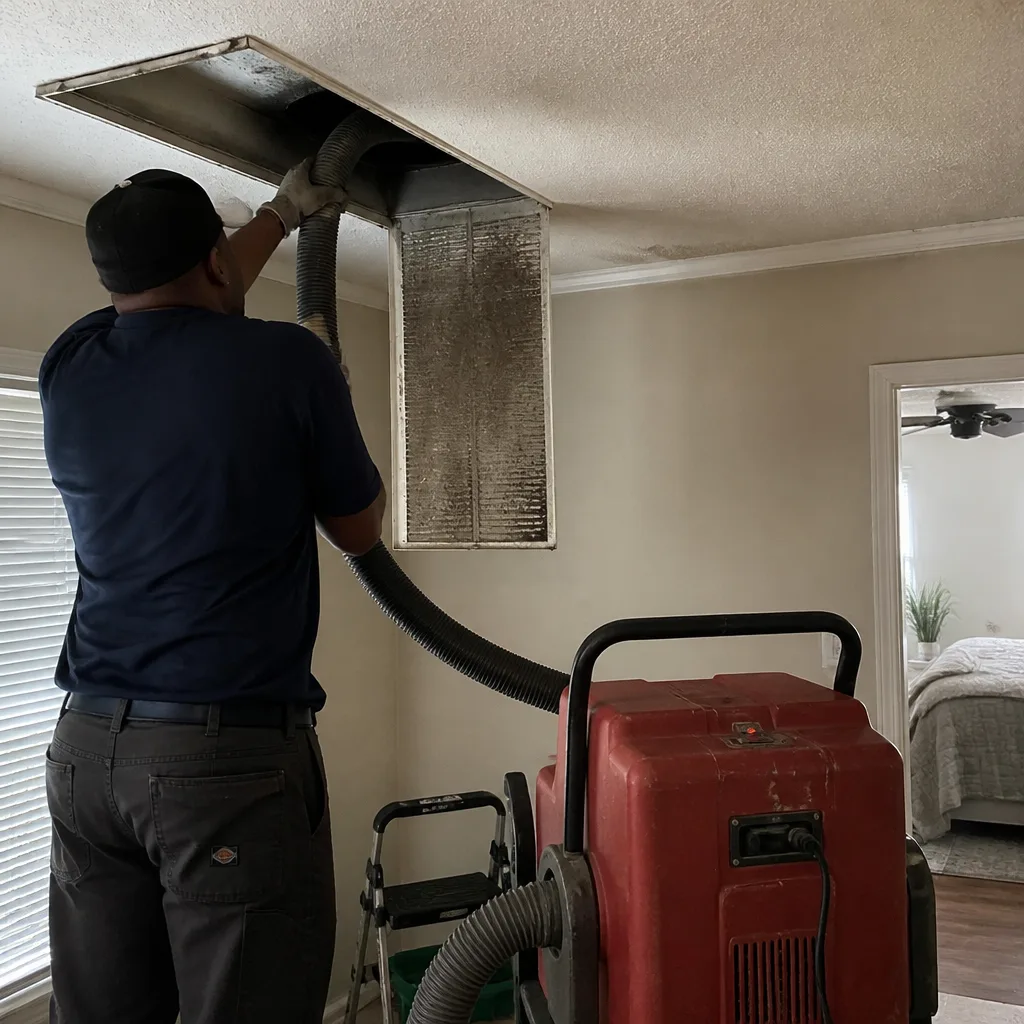 Before
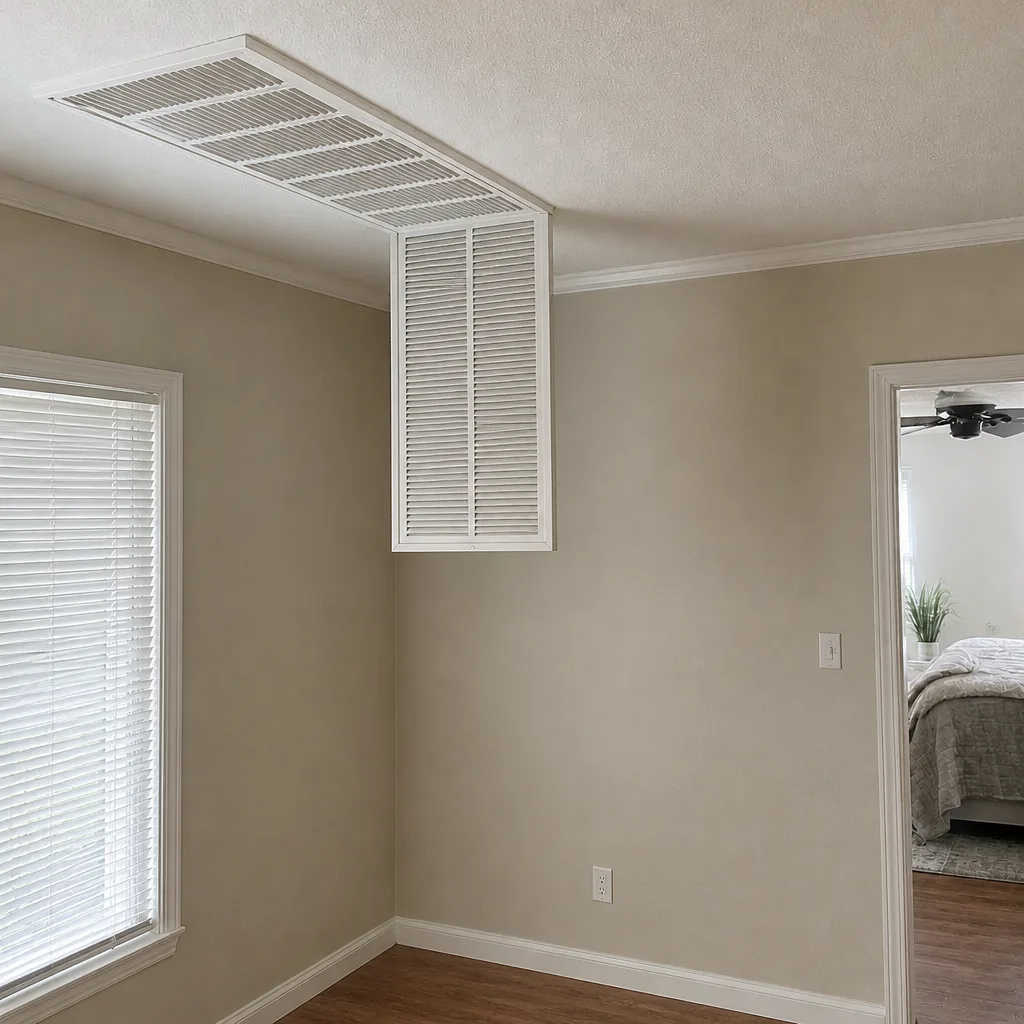 After
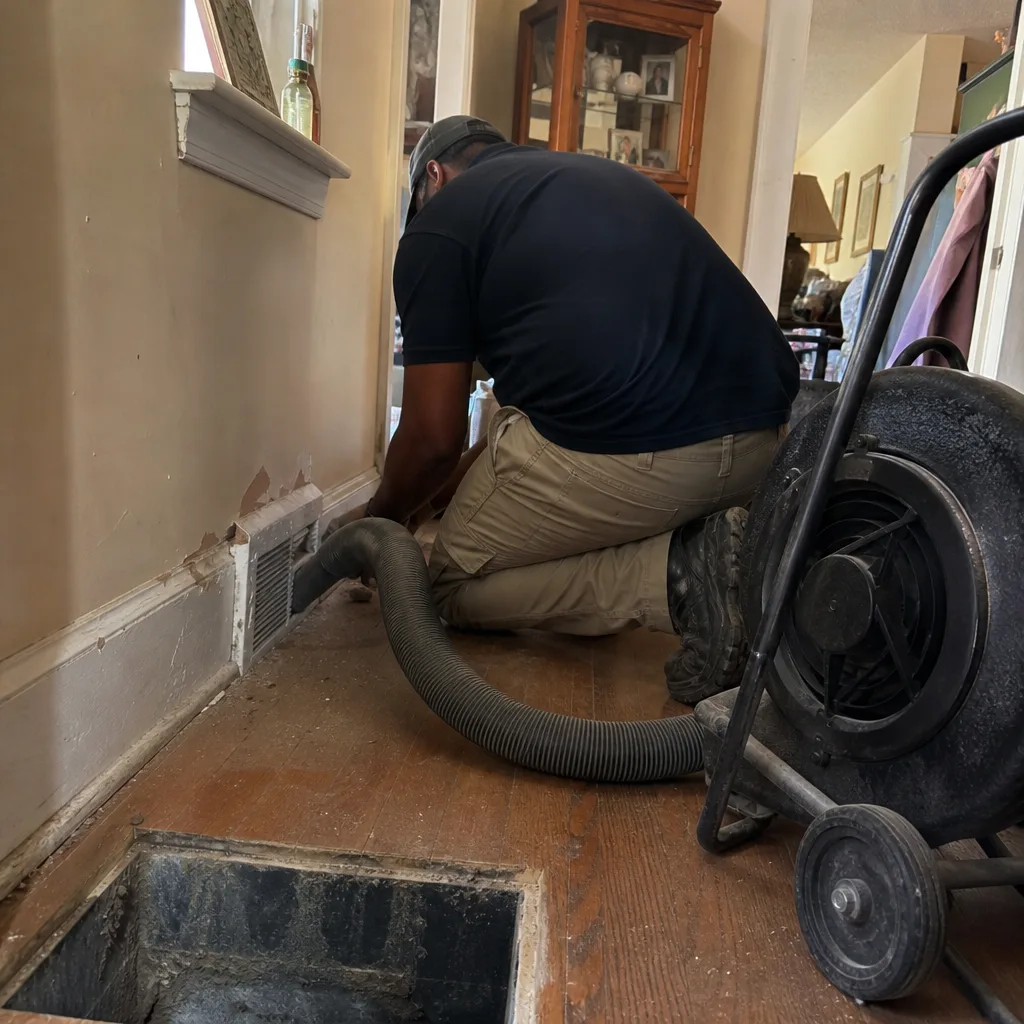 Before
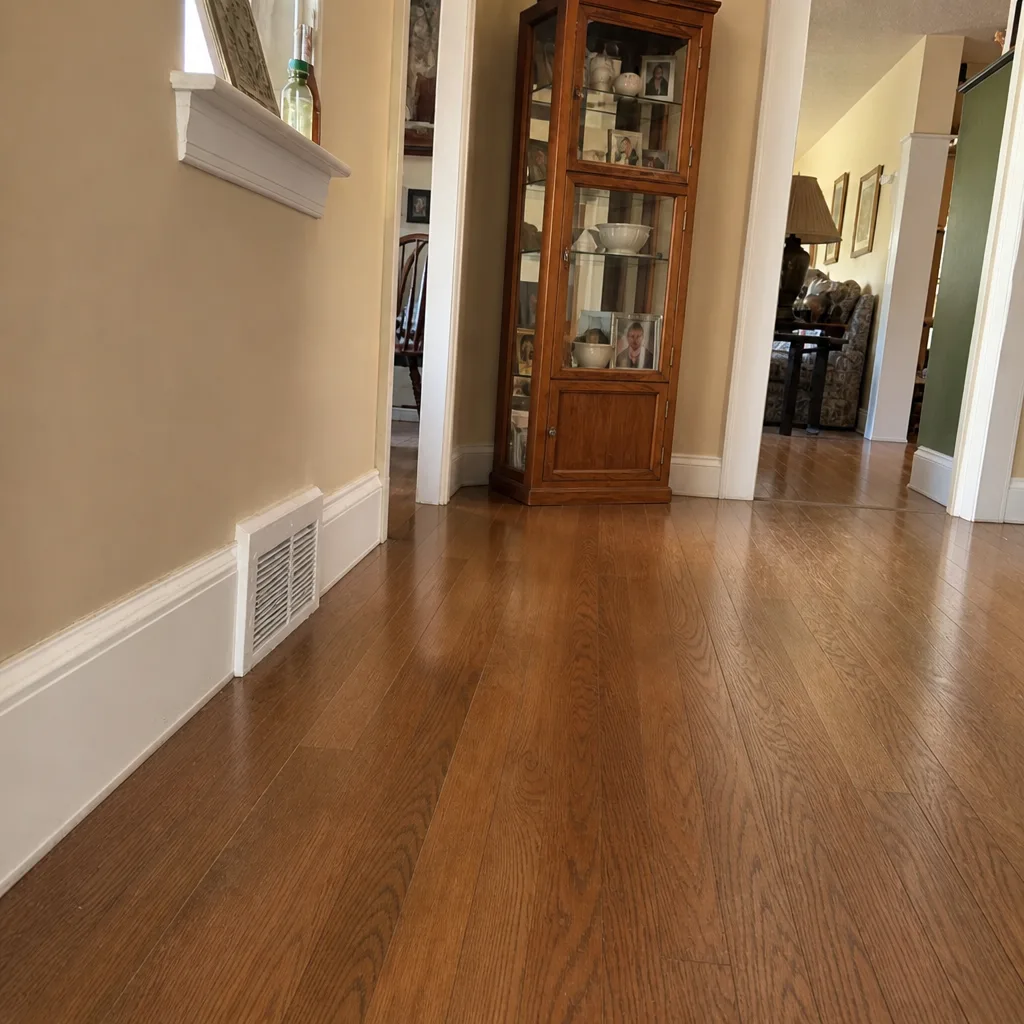 After
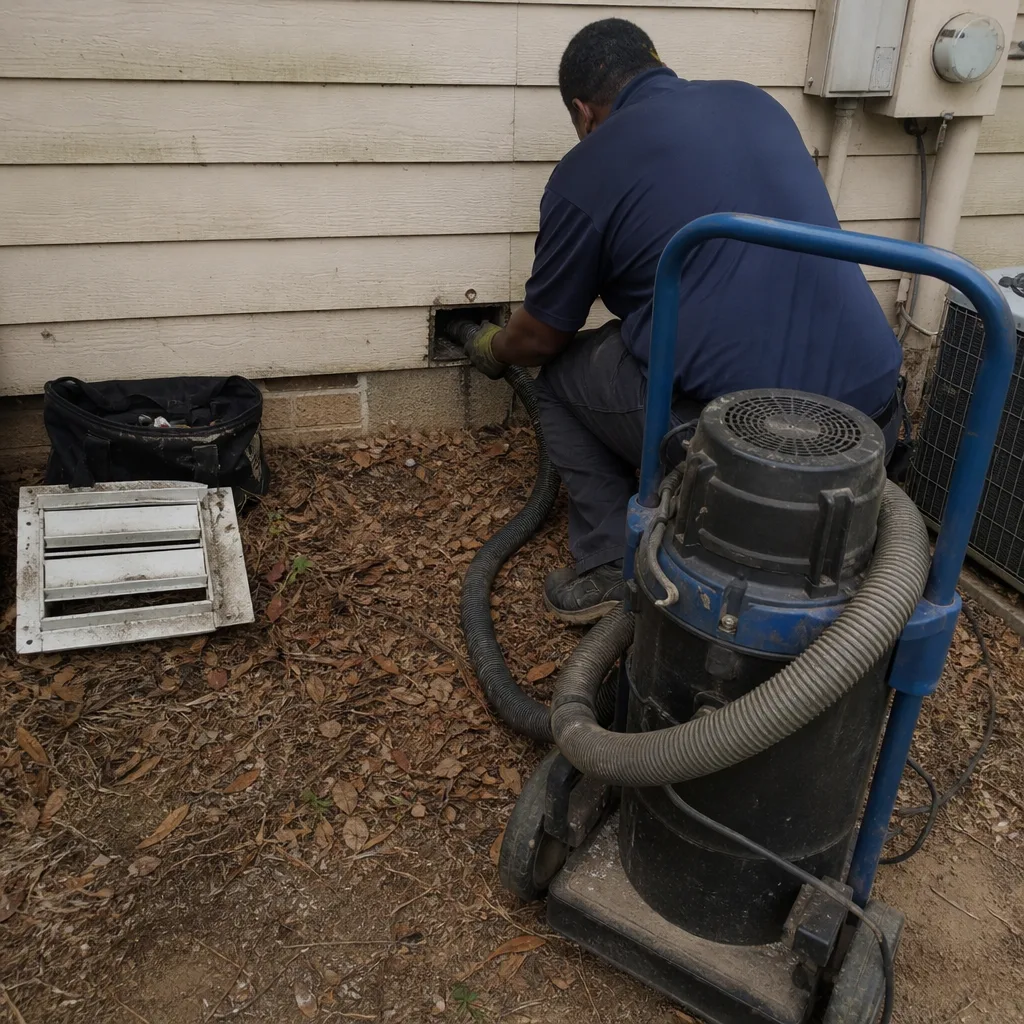 Before
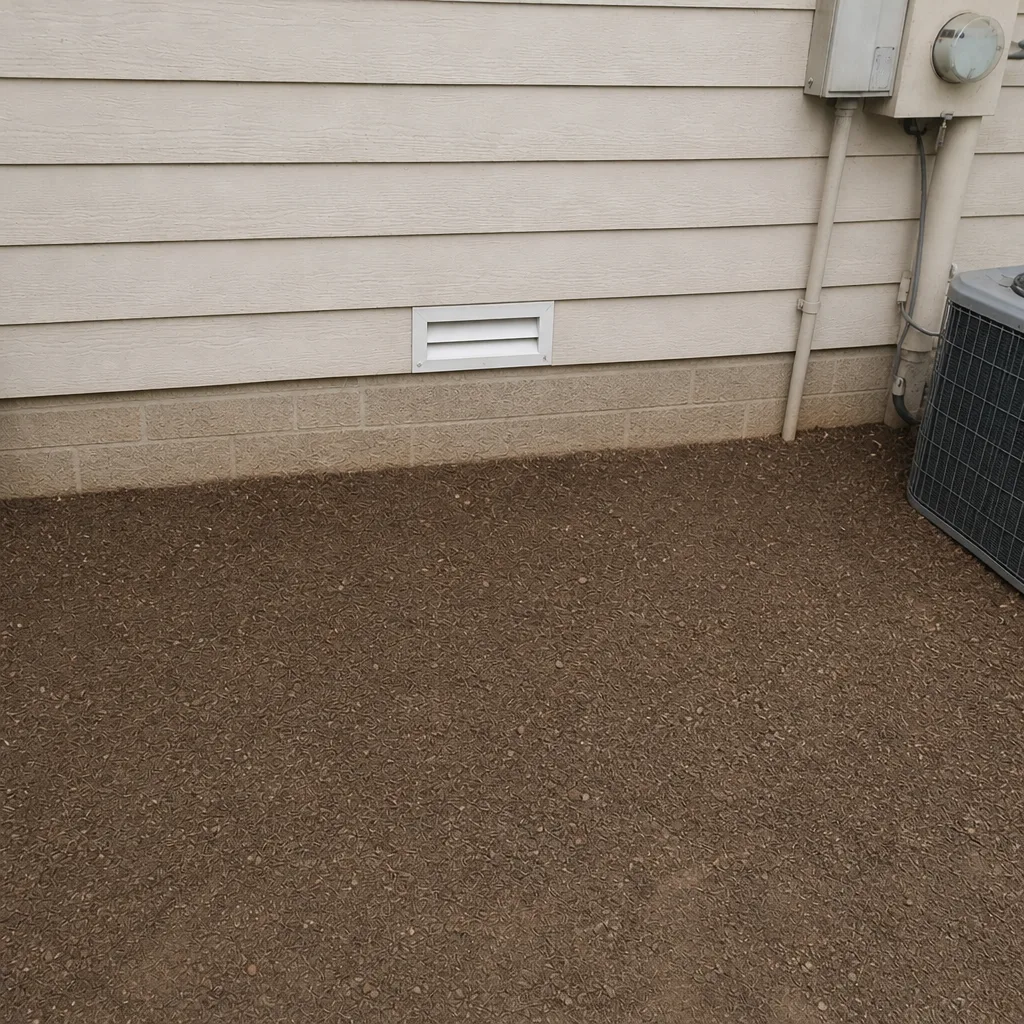 After
When to Call a Professional
Call a duct specialist after any water event that reached the attic, crawlspace, or air handler, even if the system seems dry a few days later. Call after any fire, even a small one, if smoke traveled through the return side of the system. Call when you find pest evidence in the ducts or at the register faces, because cleaning alone won’t fix a breached run. Call when a duct system has been running for a season on visibly damaged or wet duct work. And call when you’re not sure: an inspection is cheap compared with a duct system that keeps pushing moisture and debris through the house for a year.
Tidewater Air Duct Cleaning offers free estimates in South Fulton – call (833) 991-9213. We answer 24/7. Fast dispatch from 7am to 7pm, Sunday through Friday.
Frequently Asked Questions
As soon as the structural drying is underway, and before the HVAC goes back into normal service. In South Fulton’s humid climate, wet duct lining can start supporting mold growth within a day or two, so waiting a week or two to “see if it dries out” is the wrong call. A duct specialist should inspect, document, and clear the system before the air handler runs again. Call (833) 991-9213 for an evaluation; estimates are free.
Usually not, no. Soot and smoke odor embed into duct lining in a way that light cleaning can’t lift; it needs mechanical agitation and HEPA-grade extraction, and often containment at the work area. Standard duct cleaning is a routine service; smoke-damaged duct work is a different protocol. Ask the crew what equipment they bring before they start. Call (833) 991-9213 for a free estimate.
Often yes, when the duct contamination is tied to a covered peril like a burst pipe, storm-driven rain, or fire. Routine duct cleaning and pest intrusion are typically excluded. The key is documentation: photos taken before any cleaning begins, a written cause of loss, and an itemized estimate from the duct specialist. Read your policy and confirm with your adjuster in writing. Call (833) 991-9213 for a free estimate.
Both, and repair comes first. Duct runs with chewed flex, contaminated insulation, and open connections to the attic are a repair and replacement job before cleaning makes sense. Once the breached sections are cut out and the pest entry point is sealed, the rest of the system is cleaned. Cleaning first just moves contaminated debris through a broken system. Call (833) 991-9213 for a free estimate.
A duct system section in your home emergency file: photos of every access point, a rough duct layout, HVAC model and serial numbers, filter sizes, and contact information for a duct specialist, restoration company, plumber, and roofer. Take the photos and sketch the layout on a normal day. Call (833) 991-9213 if you want a specialist to help build the file.
Ask for before-and-after photos of your own ducts, not stock images, and ask what equipment the crew used. Rotobrush brush systems and Nikro or Abatement Technologies extraction equipment are the professional standard; a shop vacuum and a promise aren’t. A specialist should walk you through what they found and what they cleaned. Call (833) 991-9213 for a free estimate.
The Bottom Line
A South Fulton home emergency plan that covers the roof but ignores the duct system is half a plan. Water, fire, and pest events all funnel damage into the same place: the duct runs, the air handler, and the connections between them. Shut the HVAC off after a water event, document everything before cleaning starts, bring in the right specialist alongside the restoration company, and repair pest-damaged runs before cleaning them. Build the duct section of your emergency file on a normal day. When something goes wrong, you’ll know exactly who to call and what to say. Tidewater Air Duct Cleaning works with professional-grade duct equipment and handles cleaning, dryer vent service, and duct repair under one roof. Call (833) 991-9213 for a free estimate. We answer 24/7. Fast dispatch from 7am to 7pm, Sunday through Friday.
Written by the team at Tidewater Air Duct Cleaning.