
Last updated November 15, 2026
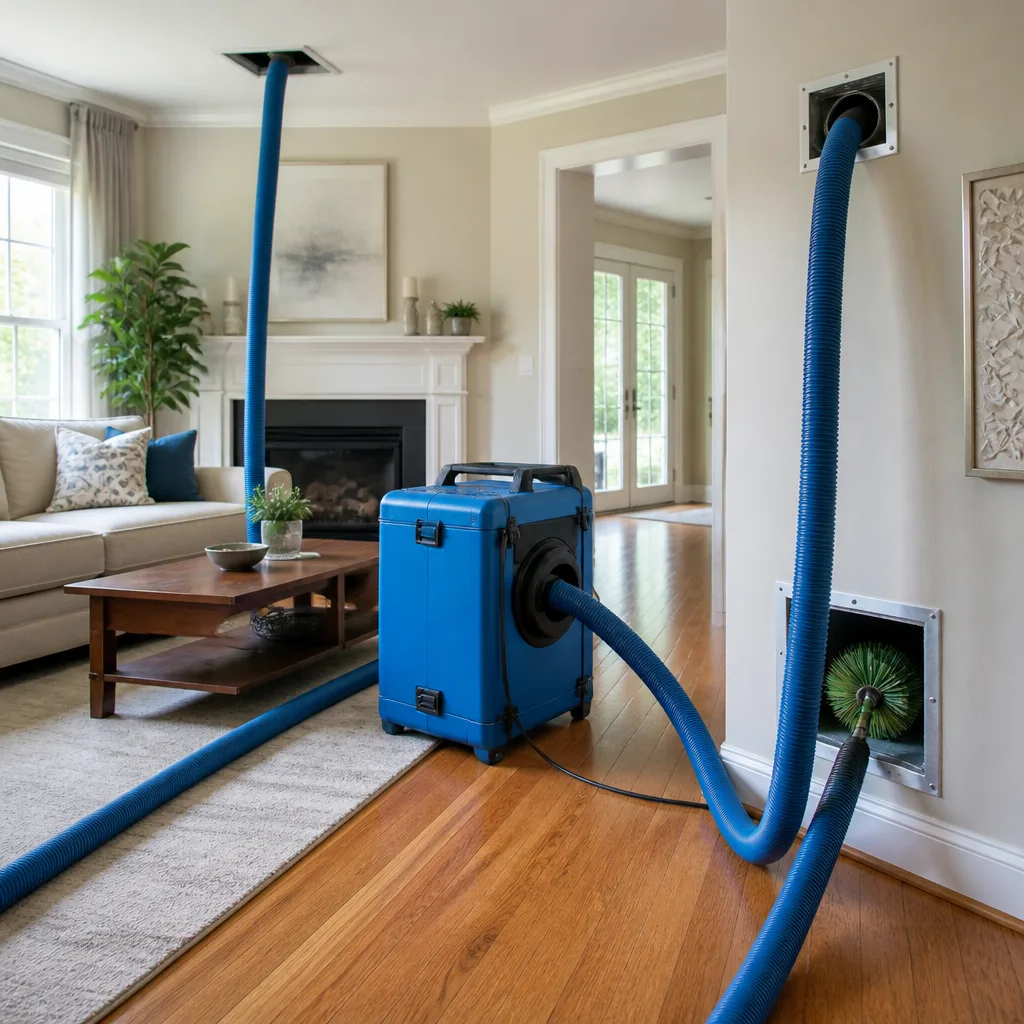 Whole-home duct cleaning
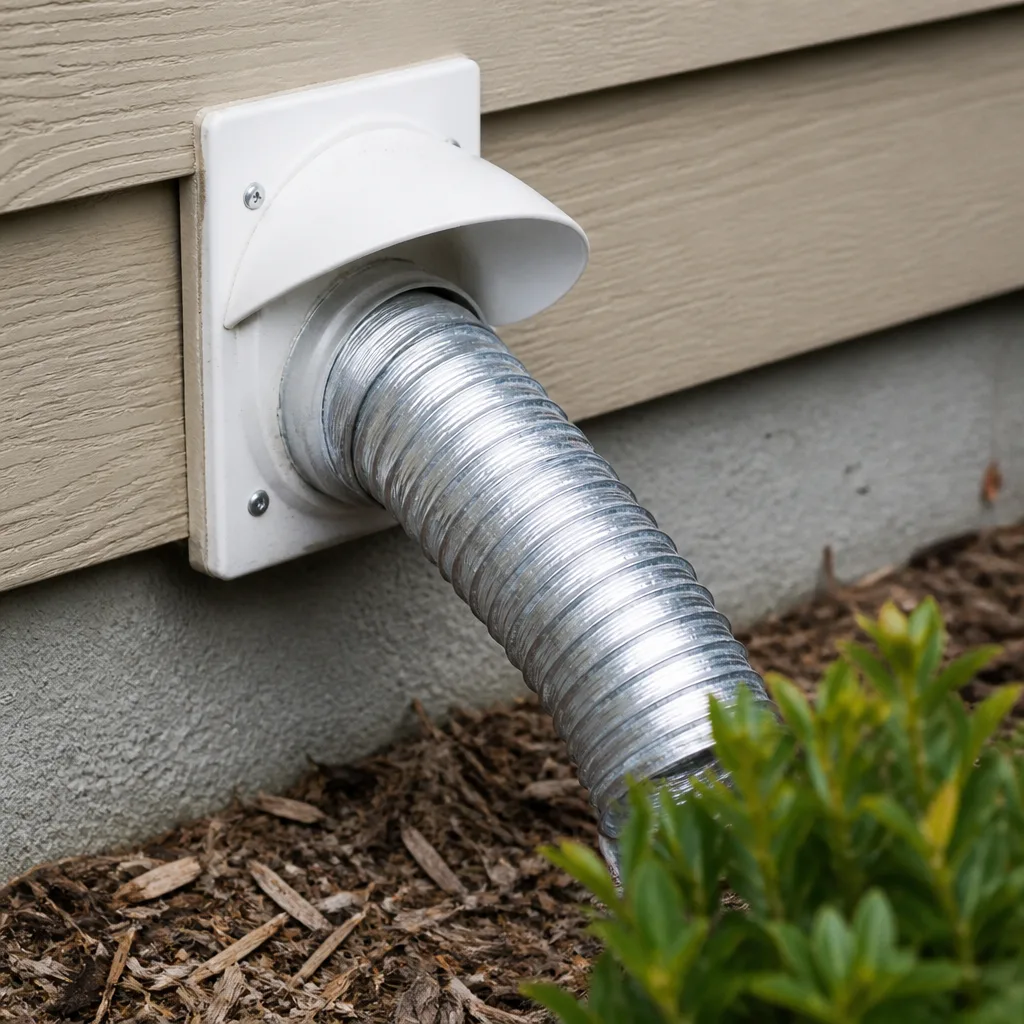 Dryer vent cleaning
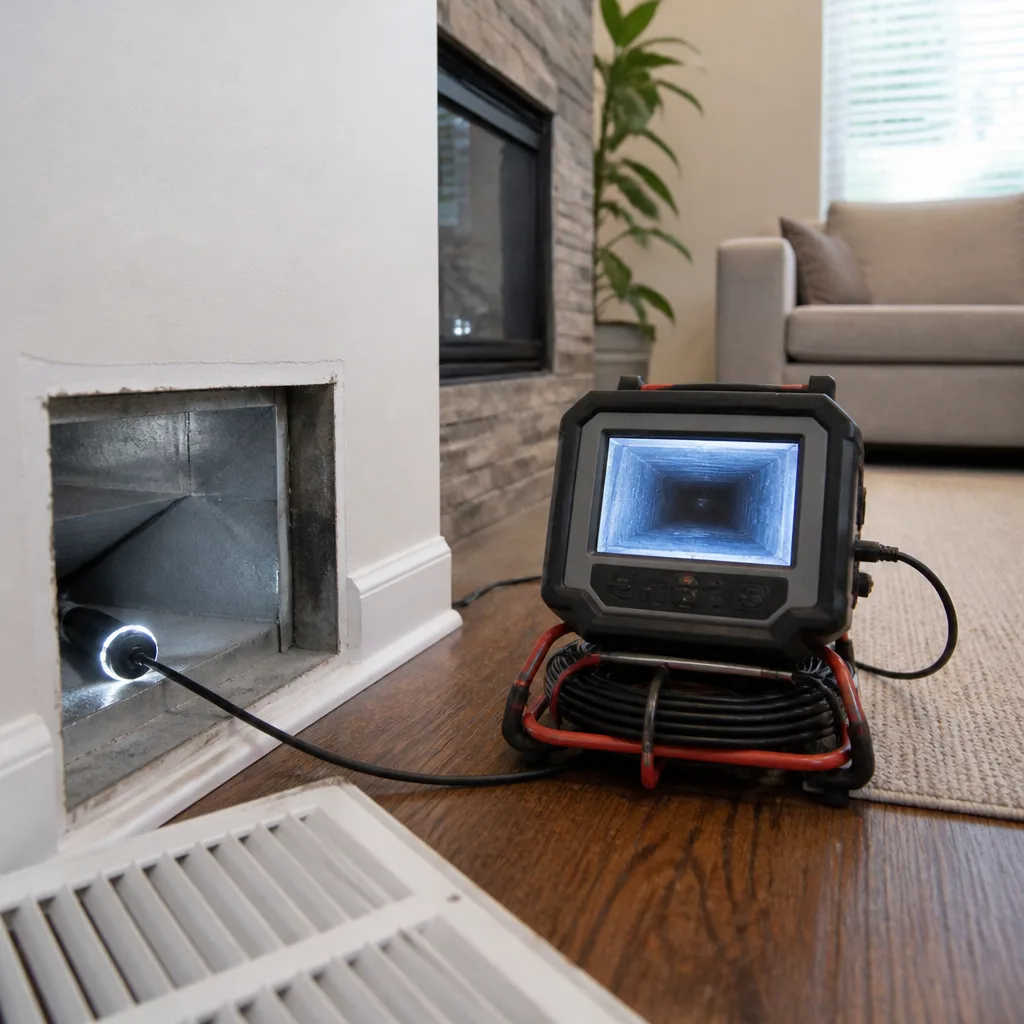 Camera inspection
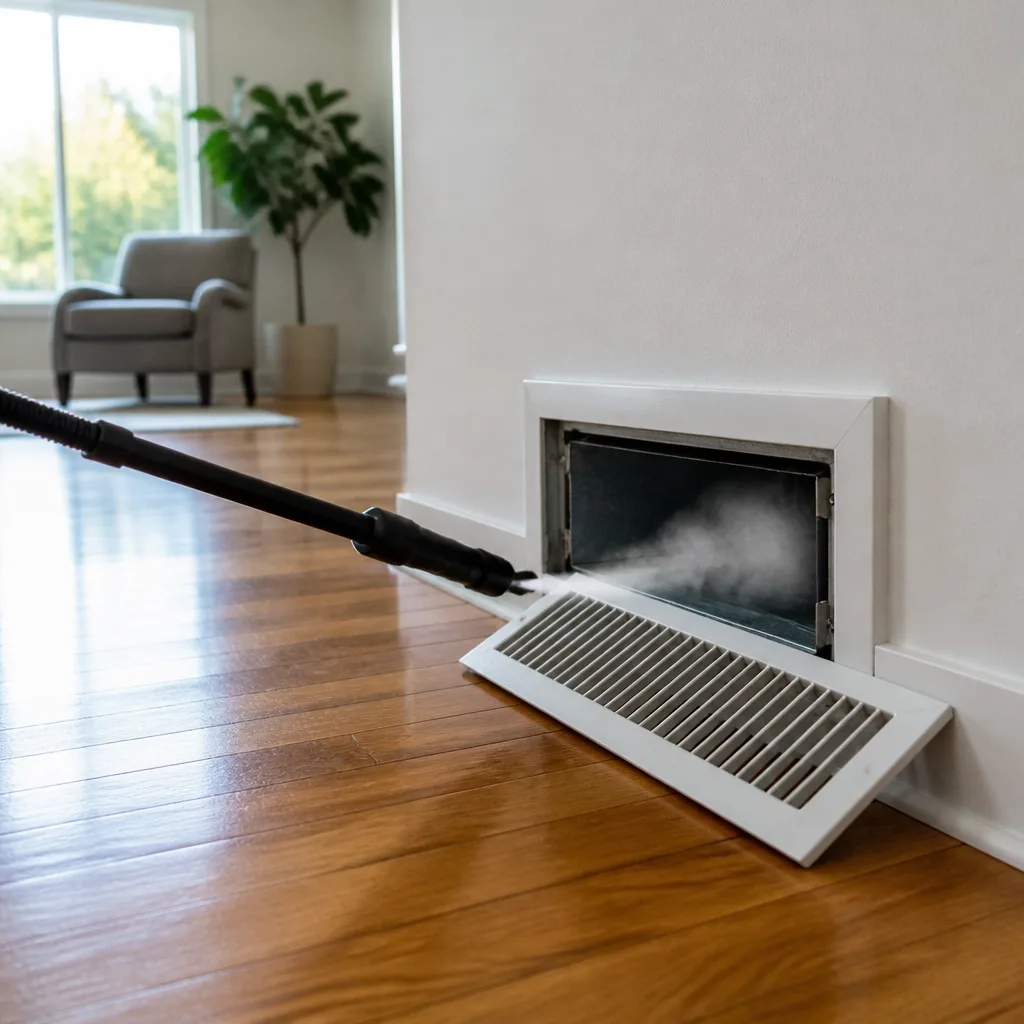 Sanitizing & deodorizing
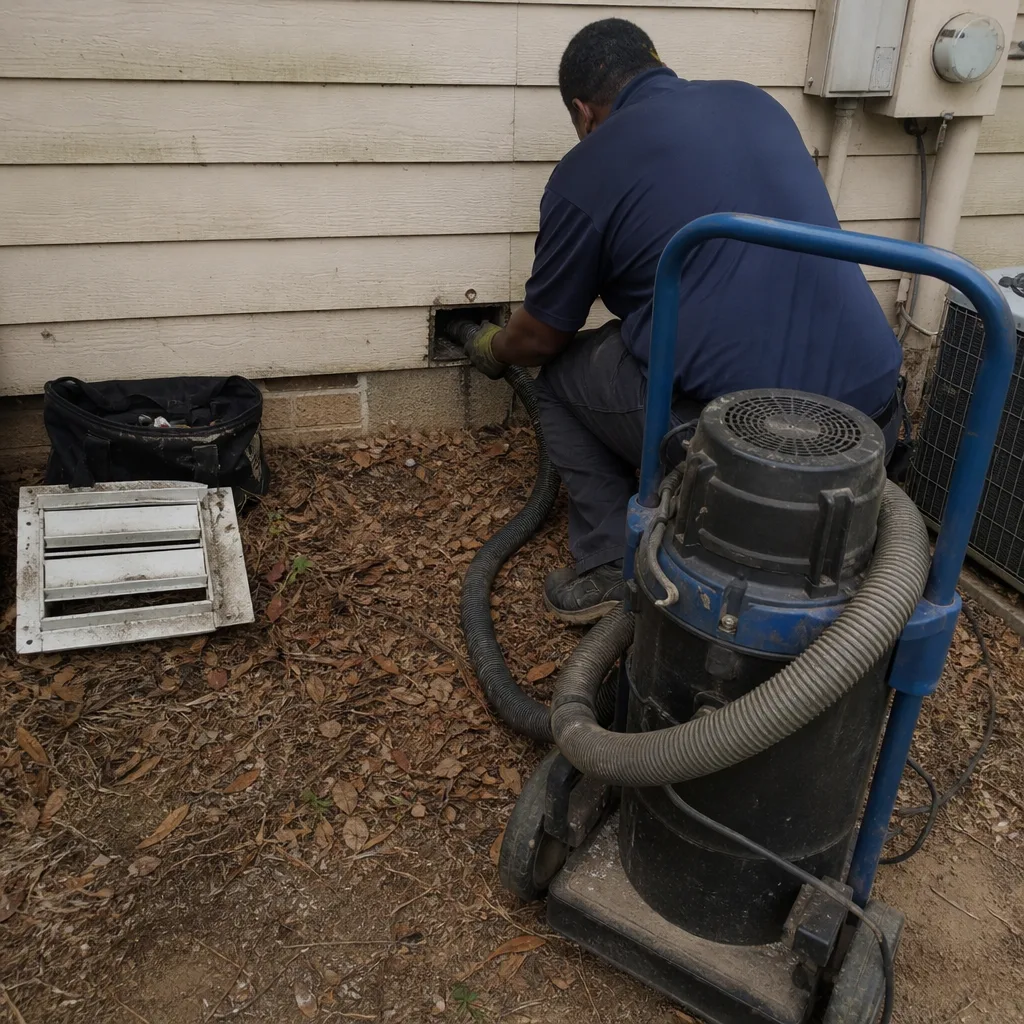
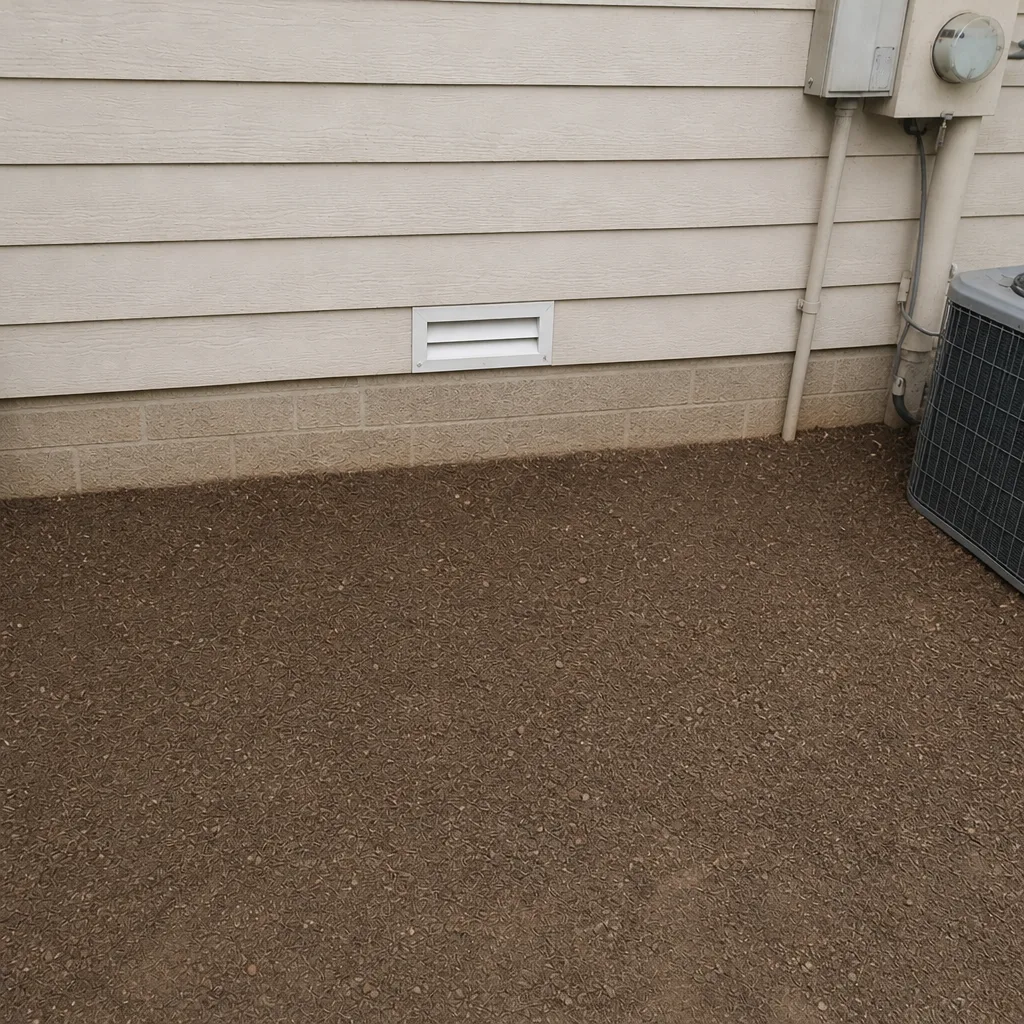
Whole-system duct and dryer vent check with before-and-after photos - you see exactly what came out of your vents
That "$99 whole-house special" is a bait ad - the real number appears once they are in your hallway, or the "clean" is a shop-vac at the register. We photograph the inside of your ducts before and after instead.
Air Duct Cleaning Maintenance Schedule: What to Do and When
Two houses on the same block in South Fulton often need completely different duct cleaning schedules. A couple in a 2015 build with no pets and a household of five with two dogs in a 1998 ranch are not running the same system, and they don’t generate the same debris load. Yet most advice on the internet hands both of them an identical “every three to five years” line and moves on. That number isn’t wrong so much as it’s incomplete. What actually determines how fast a duct system in South Fulton degrades is a set of variables: who lives in the house, what the ducts are made of, how many hours the air handler runs, and how much pollen the area deals with each spring.
This guide builds a personalized maintenance clock instead of repeating the generic figure. You’ll learn how to calculate your own interval, what to do between professional cleanings, how to read your utility bills as an early warning, and how to separate the tasks that belong to a duct cleaner from the ones that belong to your HVAC technician. By the end, you should have a concrete schedule to work from and a clearer sense of when to bring in professional equipment.
Quick Answer
Most South Fulton homes need professional duct cleaning every two to five years, but the right interval depends on your household. Homes with pets, allergy sufferers, smokers, recent renovations, or older duct systems fall at the shorter end; low-occupancy homes with newer ductwork and clean habits can stretch toward the longer end. Between professional cleanings, replace your filter every one to three months and check your return grilles monthly.
Styles & brands we work with
- Whole-home duct cleaning
- Dryer vent cleaning
- Camera inspection
- Sanitizing & deodorizing
Table of Contents
- Why “Every 3-5 Years” Doesn’t Work
- Building Your Own Interval: The Variable Calculator
- What to Do Between Professional Cleanings
- Using Utility Bills as a Leading Indicator
- Duct Cleaner Tasks vs. HVAC Tech Tasks
- How South Fulton’s Climate Anchors Your Calendar
- Signs You’ve Waited Too Long
- The Dryer Vent Belongs on Its Own Clock
Why “Every 3-5 Years” Doesn’t Work
The 3-5 year recommendation isn’t a bad starting point, but it treats every household as interchangeable. In our experience, two South Fulton homes of the same age can accumulate dust at wildly different rates. A family that runs the HVAC continuously through Georgia’s long cooling season cycles far more air through the ducts than a couple who travels half the year and keeps the system on low. The same interval advice simply doesn’t fit both.
Three factors do most of the work in determining your real schedule:
- Household composition. Pets shed dander and hair that accumulates on duct surfaces. Children stir up activity that circulates dust. Smokers add residue that’s harder to remove than plain dust.
- Duct material and condition. Flexible duct with loose insulation can trap debris in ways that sheet metal doesn’t. Older duct systems may have small leaks or deteriorated seals that pull unfiltered air in from unconditioned spaces like attics or crawlspaces.
- HVAC runtime hours. The more hours your system runs, the more air passes through the ducts. South Fulton summers are long enough that cooling season alone drives significant runtime. Heating season adds more, though in milder months the system can rest for weeks.
Add to that the seasonal spikes that come with living in this part of Georgia – pollen in spring, humidity in summer – and the generic recommendation starts to look like a rough guess rather than a plan. A proper schedule reflects the actual system you have and the actual house it serves.
Building Your Own Interval: The Variable Calculator
Here’s how to build a working interval for your home instead of guessing. Start with a baseline of five years and shorten it based on the variables below. The result won’t be a precise number down to the month, but it will land you in a realistic window instead of an arbitrary one.
- Start at five years. This is the longest reasonable interval for a low-stress household: no pets, no allergy sufferers, no smokers, no recent renovation, and a duct system under ten years old.
- Subtract one to two years per pet. One dog that sheds seasonally justifies moving to every three-to-four years. Two dogs that live mostly indoors pushes you closer to two-to-three.
- Subtract one to two years if anyone in the home has allergies or asthma. The goal isn’t just removal of visible dust. It’s reducing the airborne load that settles on duct surfaces and gets redistributed through the supply registers every time the system runs.
- Subtract one year if anyone smokes indoors. Smoke residue bonds to duct material in ways ordinary dust doesn’t, and it takes more than a quick vacuum to remove.
- Subtract one to two years for a recent renovation. Drywall dust, wood dust, and construction debris travel through the HVAC system when the system runs during or after renovations. A new build or a major remodel often needs a cleaning immediately after work finishes, not three years later.
- Subtract one year for duct systems over 15 years old. Older systems tend to have more joints, more seams, and in some cases deteriorated insulation that traps debris. Leaks in older ductwork also pull unfiltered air in from attics, garages, and crawlspaces.
- Subtract one year if you live near a busy road or you’re in a high-pollen pocket of South Fulton. Pollen settles on every surface, and ductwork is no exception.
Take the resulting number and treat it as your target. Set a reminder for twelve months before that date, then ask yourself whether any of the variables have changed. If they have, move the cleaning up. If they haven’t, you’re on schedule. That’s the entire system, and it’s honest work: it doesn’t pretend to know your home better than you do.
Quick-reference interval guide
- Every 2-3 years: Multiple pets, allergy or asthma in the household, smoker, or a duct system over 15 years old with any of the above.
- Every 3-4 years: One pet, a household with young children, or a home that has undergone a recent renovation.
- Every 4-5 years: No pets, no allergy concerns, no smokers, ducts under ten years old, moderate HVAC use.
- Every 5+ years: Low-occupancy home, newer ductwork, no pets, no recent renovation, you change filters consistently.
What to Do Between Professional Cleanings
The work between cleanings is what determines how well you stretch the interval. Three simple habits do most of the heavy lifting.
Filter changes
Change your HVAC filter every one to three months, and lean toward the shorter end of that window during South Fulton’s pollen season. A filter that’s been in place for three months is doing far less than one that’s fresh. The right filter is the one your system is rated for, not the highest MERV available: high-efficiency filters can restrict airflow on systems not designed for them, which leads to other problems. If you’re not sure what your system handles, check with your HVAC technician.
Return grille vacuuming
Once a month, take a look at your return grilles – the large intake vents that pull air back into the system. Run a vacuum with a brush attachment over the grille face. If the grille is removable, pull it off and vacuum the visible duct opening behind it. You’re not trying to clean the duct here. You’re keeping the surface dust load from getting pushed deeper into the system with the next cycle.
Register checks
Every few months, look at your supply registers. If you’re seeing significant dust buildup around the grille face, that’s normal. If you’re seeing dust streaks or dark patterns on walls or ceilings near the registers, that’s a sign of something else going on: leaks, poor sealing, or a system that’s pushing air out of paths it shouldn’t use. Note it and mention it when you call for service.
Using Utility Bills as a Leading Indicator
Most homeowners wait for symptoms – visible dust, a musty smell, allergy flare-ups – before they move up their cleaning schedule. Utility bills give you a leading indicator instead, which is more useful.
Here’s the idea. Dirty, restricted ducts force your air handler to work harder to move the same amount of air. Add small leaks, and you’re also conditioning air that leaks out before it reaches a room. Both effects show up as higher bills. Watch for this pattern:
- A rise in cooling costs that isn’t explained by weather. If your summer bills have crept up compared to the same months last year, and the summer hasn’t been hotter, that’s worth investigating.
- Rooms cooling unevenly. One room feels fine while another runs warm through July and August. That pattern points toward restricted airflow somewhere in the system.
- Longer runtimes without temperature improvement. The system runs, but the house doesn’t cool down as fast as it used to. You may notice the air handler stays on longer.
None of these signals, alone, definitively means you need a cleaning. But when two or three show up together, and you’re past the midpoint of your calculated interval, it’s a reasonable time to bring in a professional and get an assessment. A small bump in a power bill is easier to act on than the same problem after a full summer of running hard.
Duct Cleaner Tasks vs. HVAC Tech Tasks
One of the most common reasons problems get missed is that homeowners don’t know which contractor handles which job. Duct cleaning, duct repair, and HVAC service are related but distinct scopes. Conflating them leads to work that doesn’t happen because each side assumes the other is handling it.
What a duct cleaning company handles
- Cleaning the interior of the supply and return duct system using professional equipment
- Sealing and repairing leaks, disconnected sections, and damaged flexible duct
- Cleaning return grilles and supply registers as part of the cleaning
- Dryer vent cleaning (a separate service with its own schedule)
- Documenting system condition before and after cleaning
What an HVAC technician handles
- Repair and service of the air handler, condenser, and compressor
- Refrigerant charge and electrical diagnostics
- System sizing and equipment replacement
- Thermostat and control system setup
- Gas furnace service and safety checks
The overlap is the confusing part. If a duct inspection finds a leaking joint or a disconnected flex run, that’s a duct repair job, and Tidewater Air Duct Cleaning handles it. If the air handler itself is failing, that belongs to an HVAC tech. If your ducts are dirty and your system isn’t cooling, you likely need both, and one call shouldn’t be expected to cover the other. When we assess a duct system in South Fulton and find damage, we can fix it on the spot rather than pointing you to a second company. What we won’t do is step into HVAC repair territory.
How South Fulton’s Climate Anchors Your Calendar
South Fulton’s climate does two things to duct systems that matter for scheduling. The first is the spring pollen spike. Trees release pollen heavily across the area, and that pollen finds its way into return grilles, filters, and eventually duct surfaces. If you have allergy concerns in the household, scheduling a cleaning for early spring – just before pollen season gets underway – means you go into the season with clean ducts and a fresh filter. Waiting until midsummer doesn’t do much good because you’ve already spent months cycling pollen through the system.
The second is summer humidity. Long stretches of high humidity push the HVAC system into longer runtimes, and that runtime is what drives debris accumulation. Scheduling a cleaning in late spring or early summer gets you ahead of the highest-runtime stretch of the year, so the system is running at its best when you need it most. It also means any duct leaks or issues found during cleaning get addressed before the system is working hardest.
A practical South Fulton cleaning calendar looks like this:
- Early spring: Change filters (do this more frequently through pollen season). Schedule professional cleaning if you’re due. Clean ducts before the cooling season begins.
- Late spring: Check return grilles and supply registers for unusual buildup. Replace filters again if you’re in the habit of short intervals through pollen season.
- Summer: Watch utility bills and note any uneven cooling. This is the highest-runtime stretch, so restriction shows up fastest.
- Fall: If you didn’t clean in spring, this is the next-best window before heating season ramps up runtimes again.
- Winter: Check filters monthly. Note any odd smells or drafts around registers. Schedule any deferred cleaning for early spring.
Homes we’ve worked with across Riverdale and the broader Riverdale area tend to follow the same pattern: clean before the pollen drops, not after. It’s a small scheduling shift that makes a real difference.
Signs You’ve Waited Too Long
If any of the following are present, your interval needs to move up regardless of where you thought you were. These are signs that debris load or system damage has already accumulated to the point of affecting how the system runs.
- Visible dust streaming from supply registers when the system kicks on
- A persistent musty or stale smell that doesn’t clear after a filter change
- Allergy symptoms that worsened without an obvious seasonal explanation
- Restricted airflow – some rooms feel starved of air while others get too much
- Visible debris in the return grille opening when you look behind the grille
- Recent renovation, pest activity, or water intrusion into the duct system
What we typically find in these situations varies. Sometimes the ducts are simply due for a cleaning; sometimes there’s damage underneath – a disconnected flex run, a deteriorated joint, or a leak that’s been pulling unfiltered attic air into the system. air duct cleaning using professional-grade equipment shows you exactly what’s going on. With the Rotobrush system for agitation, Nikro for extraction, and Abatement Technologies for containment and filtration, we see system condition with the same equipment used in commercial and remediation work. That’s the standard we hold to in every South Fulton home we work in.
The Dryer Vent Belongs on Its Own Clock
Duct cleaning and dryer vent cleaning are two separate services with two separate schedules, and the confusion costs people. The dryer vent is a fire hazard, and a dryer that takes longer than it used to run is the clearest signal that airflow through the vent has been compromised.
Here’s a starting interval for dryer vents:
- Every 1-2 years for most households
- Every 12 months if you do a lot of laundry, have a large household, or the dryer runs several times a week
- More often if the vent run is long, has multiple elbows, or the dryer is on an exterior wall that gets lint buildup
A dryer vent cleaning from dryer vent cleaning is not the same as a quick vacuum of the lint trap. Guardman and Abatement equipment are used to pull lint out of the vent run itself, not just the visible parts. We treat dryer vent cleaning as its own dedicated service because the fire hazard is real, and treating it as an afterthought is how problems get missed.
Common Mistakes to Avoid
- Treating “every three to five years” as a fixed rule. The generic interval ignores your household, your duct material, and your system’s runtime. Adjust it.
- Skipping the filter during pollen season. Spring in South Fulton is the highest-pollen stretch of the year. If you’re sticking with the same filter for three months regardless of season, you’re pushing far more debris into the system than necessary.
- Expecting the duct cleaner to also fix your HVAC. Duct cleaning and duct repair are our scope; air handler and compressor issues belong to an HVAC tech. Conflating the two leads to missed problems on both sides.
- Ignoring a dryer that takes longer than it used to run. That’s a vent restriction signal, and it’s worth addressing before it becomes something worse. Schedule a dedicated dryer vent cleaning on its own schedule.
- Putting off cleaning after a renovation. Drywall dust and construction debris travel through the system quickly. Cleaning right after the work finishes clears it before it settles permanently.
- Waiting for visible dust before scheduling. By the time dust is visible at the registers, debris has already accumulated for months. Utility bills and stale odors show up earlier.
- Using a shopvac for a DIY clean. Shop vacs can spread debris rather than contain it. Professional equipment – Rotobrush, Nikro, Abatement Technologies – is designed for containment and extraction in ways a shopvac isn’t.
See the difference
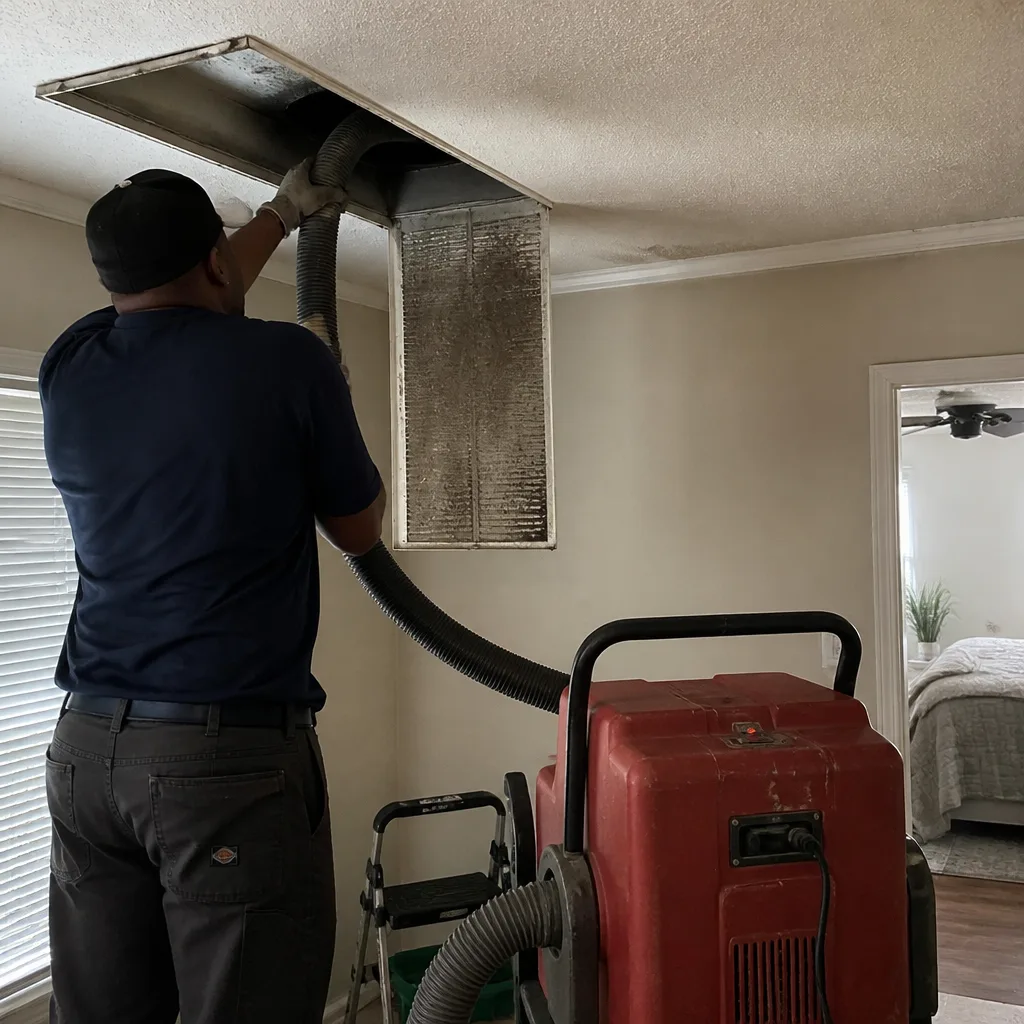 Before
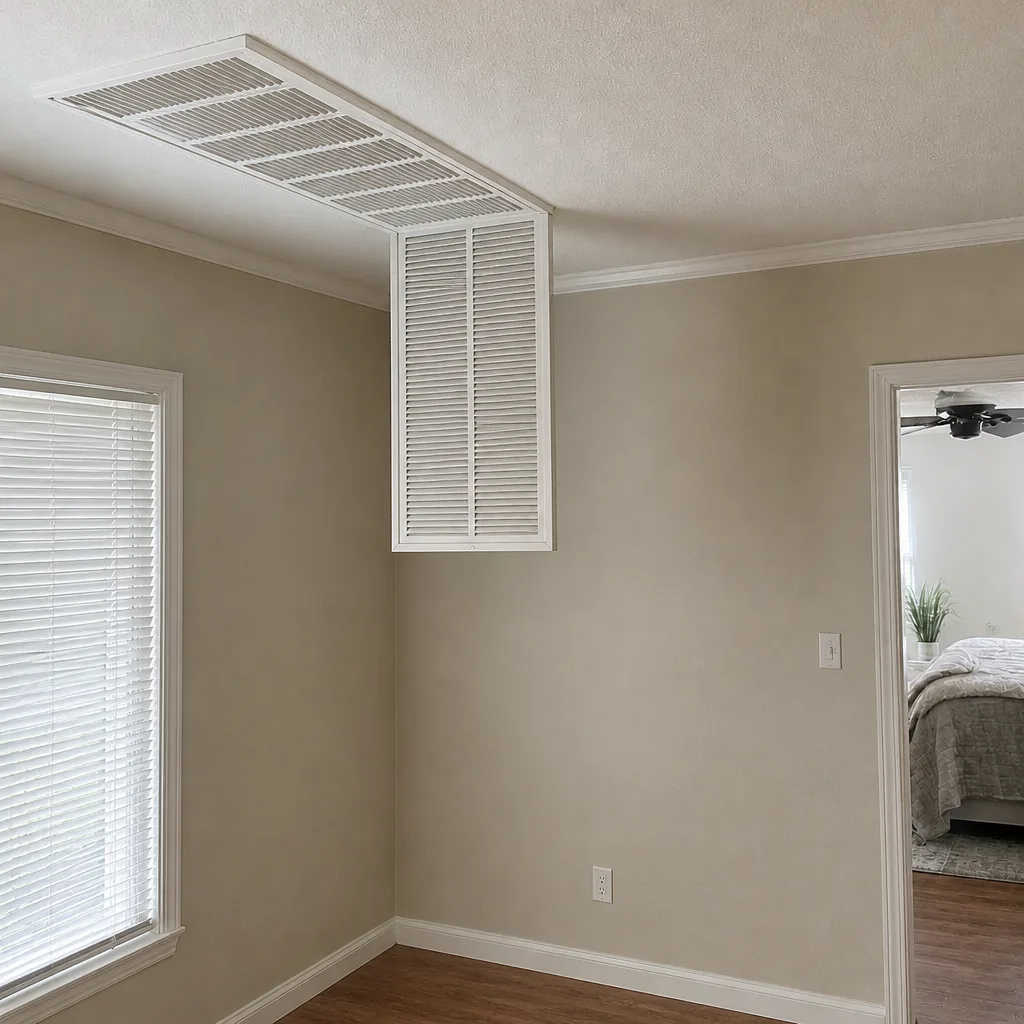 After
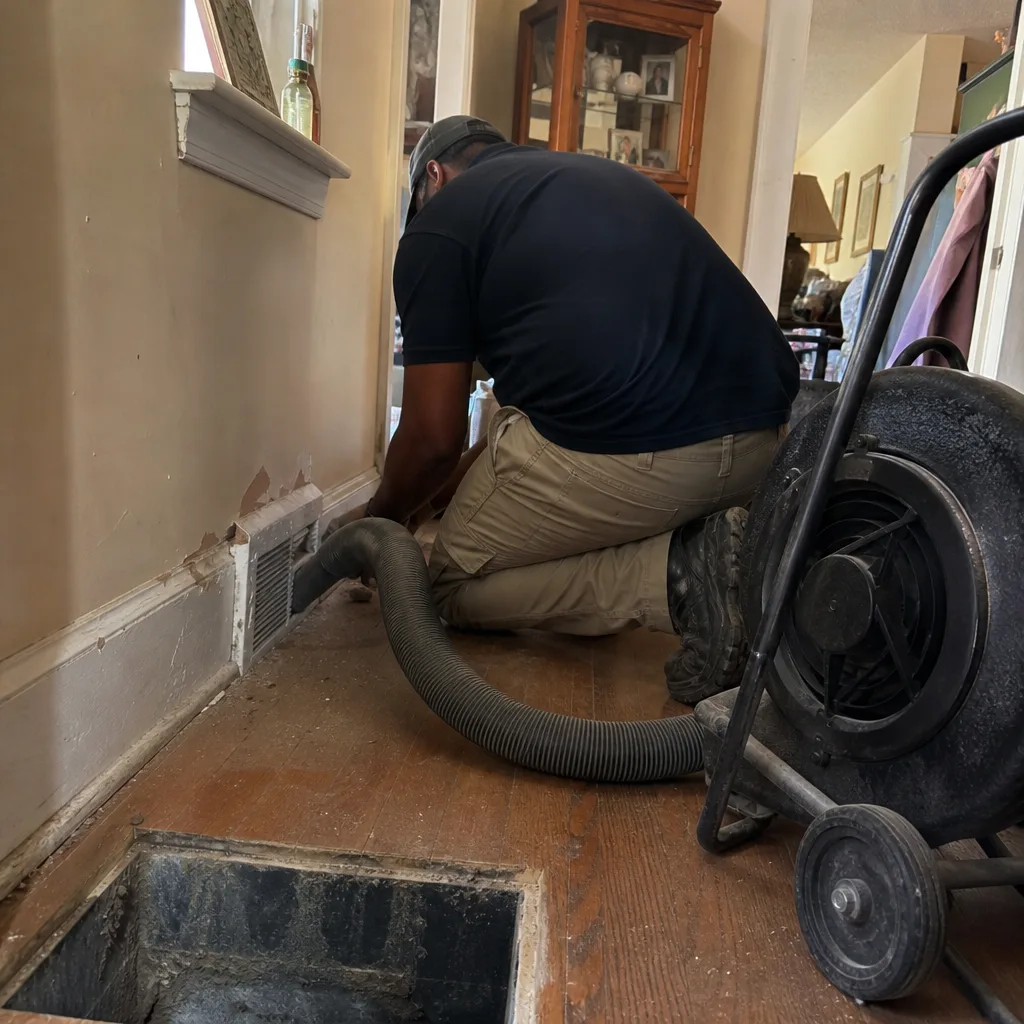 Before
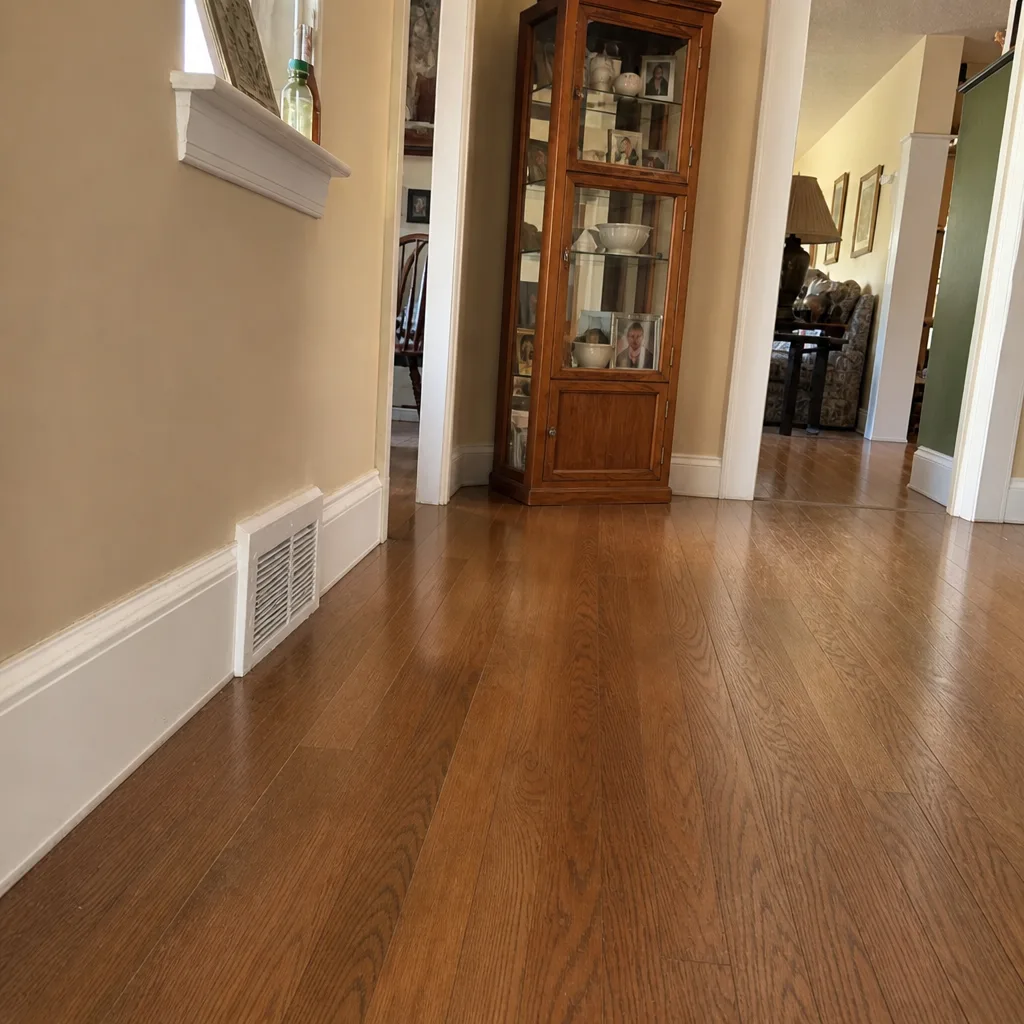 After
 Before
 After
When to Call a Professional
Bring in a professional when any of the following are true: you’re past your calculated interval, you’ve seen two or more of the signs listed above, you’ve just completed a major renovation, you’ve bought a home and don’t know the previous owner’s cleaning history, or you’re dealing with allergy or asthma concerns in the household and want an assessment. Also call when your ducts need repair – leaks, disconnected runs, or damaged flexible duct – because duct cleaning without repair leaves the underlying problem in place.
Tidewater Air Duct Cleaning offers free estimates in South Fulton, and we can handle cleaning and repair on the same visit so you’re not juggling two contractors. If we find damage during a cleaning, we can fix it right there. Call (833) 991-9213. We answer 24/7. Fast dispatch from 7am to 7pm, Sunday through Friday.
Frequently Asked Questions
Every two to five years for most South Fulton homes, with the interval shortened by pets, allergy concerns, smoking, recent renovation, duct age, and high HVAC runtime. Build the number from your household rather than accepting the generic three-to-five figure.
No, not on a strict schedule. If your ducts are under ten years old, you have no pets, no allergy concerns, and no renovation history, and the system is running fine, you can reasonably stretch toward the longer end or skip a cleaning cycle. That said, a cleaning every five years is still a reasonable way to keep the system from quietly accumulating debris. If utility bills rise or a stale smell shows up, move the cleaning up.
Every one to two years for most households, and annually if you have a large household or the dryer runs frequently. A dryer that takes longer than it used to run is the signal to call sooner. Dryer vent cleaning is a separate service from duct cleaning and should be scheduled on its own clock.
A typical residential cleaning in a South Fulton home takes a few hours, depending on system size and access. If repair work is needed, add time for that. The written estimate ahead of the work sets the scope and price before the technician starts.
It reduces the settled dust load that gets redistributed every time the HVAC runs, which can help people with allergy concerns. It won’t eliminate symptoms on its own. Pair it with consistent filter changes, especially through pollen season, and consider indoor air quality products from Honeywell and Aprilaire if you want more control over filtration or humidity.
A shopvac isn’t the right tool for cleaning ducts. It can push debris into the system rather than removing it, and it doesn’t address the interior duct surfaces where deposits build up. Professional equipment – Rotobrush for agitation, Nikro for extraction, Abatement Technologies for containment – is designed to do the job without spreading the problem.
The Bottom Line
A real duct maintenance schedule starts with your household and not with a fixed interval. Start at five years, shorten the number for pets, allergies, smoking, recent renovations, duct age, and high HVAC runtime, and shorten it again for South Fulton’s pollen and humidity. Between professional cleanings, change your filters every one to three months and check your return grilles monthly. Watch your utility bills for unexplained increases, and schedule a cleaning when the pattern shows. Keep dryer vent cleaning on its own annual or biennial schedule because the fire hazard is separate from duct debris. When you’re ready for a professional assessment, we use the same equipment as commercial and remediation work – Tidewater Air Duct Cleaning team. We clean it. If it’s damaged, we repair it. Call (833) 991-9213. We answer 24/7. Fast dispatch from 7am to 7pm, Sunday through Friday.
Written by the team at Tidewater Air Duct Cleaning.